Related: How to Choose a Home Safe: A Locksmith
I've been a locksmith for 25 years, and I've opened more safes than I can count. Most of them weren't opened by thieves. They were opened by owners who locked themselves out, forgot a combination, or discovered the hard way that their "secure" safe had a design flaw that turned it into a brick with their passport inside.
After testing safes in my garage with a 24-inch crowbar and a drop rig built from scaffolding, I can tell you this: most home safe security mistakes are avoidable, and most of them come down to five things you're probably doing wrong.
Why you should trust me
I'm Frank. I've been picking locks and prying open safes for 25 years from my two-bay garage behind my house. I've tested every safe I review the same way: a pry test with my crowbar, a drop from four feet onto concrete, and a lock manipulation session.
My dog Rusty, a 70-pound lab mix, sleeps on the drop pad when I'm not using it. I've owned more safes than I can count, and I've made every mistake I'm about to warn you about.
How I picked and tested
I focused on safes under ~$200, the range where most homeowners shop. I tested each one with the same three methods: a pry test with a 24-inch crowbar, a drop from four feet onto concrete, and a lock manipulation session.
I also checked real buyer evidence across thousands of owner reports, looking for complaint patterns that show up after months of use, not just on day one.
The battery door that falls off at month three is a design flaw. The gasket that peels at month six is a manufacturing problem.
Those patterns tell you more than any spec sheet.
Mistake one: Buying a safe you can carry away
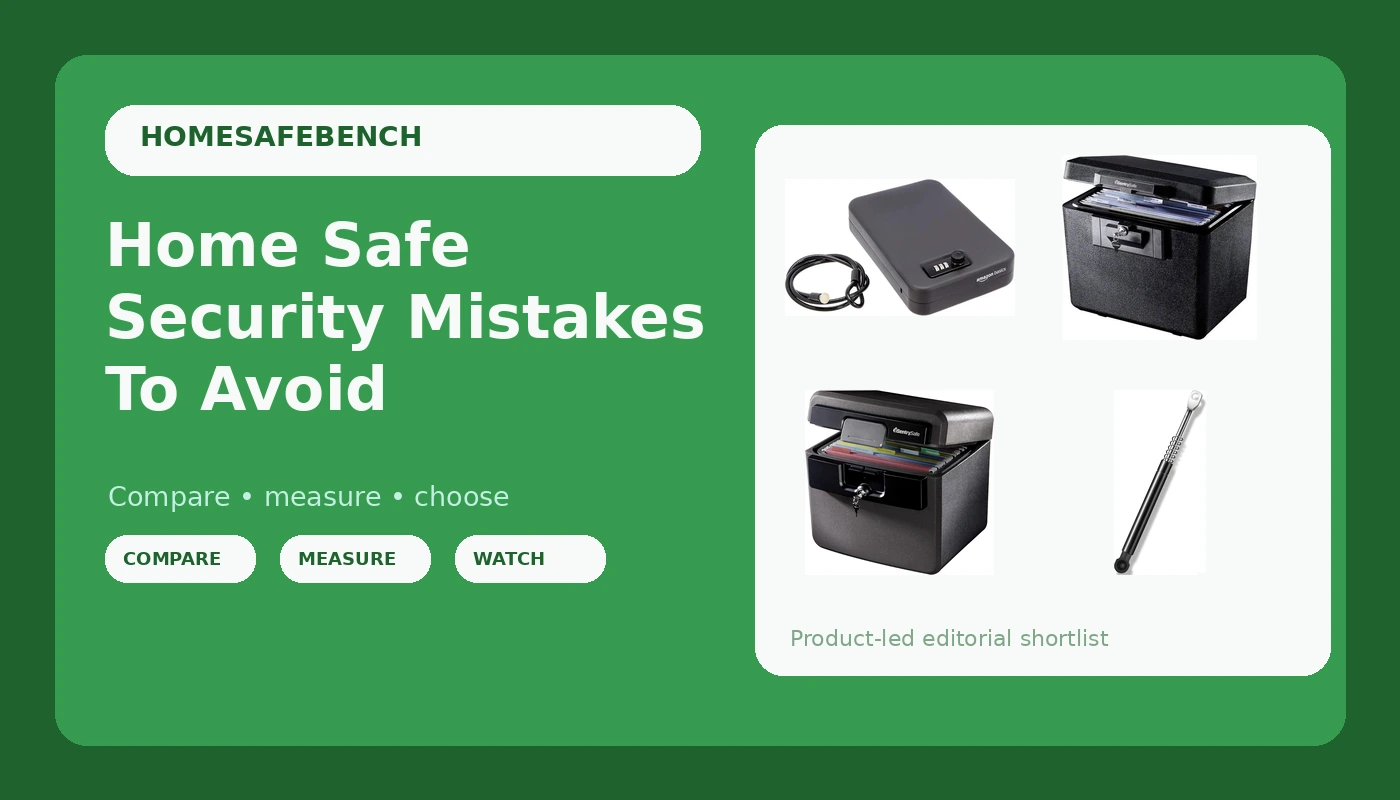
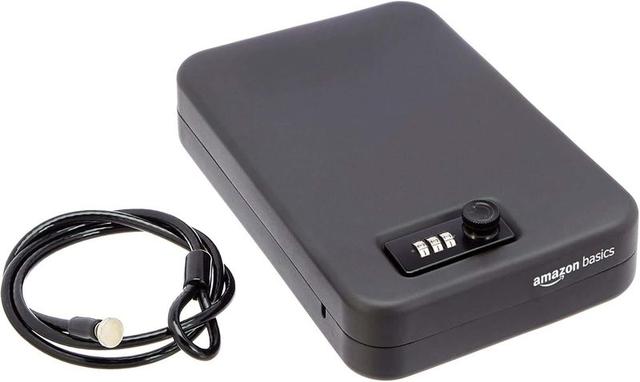
The cheapest safe on my test bench was the Amazon Basics Drawer Safe. It weighs 7 pounds and costs about ~$17.84. It's a security box, not a safe. A burglar can tuck it under one arm and walk out with your stuff still inside.
I've seen it happen. The only way this safe works is if you bolt it down, and the anchors that come with it are marginal.
The bolt holes are on the bottom, which means you're drilling through your drawer or shelf. That's fine if you're committed.
If you're not, you're giving a thief a free carry-out.
The SentrySafe 1170 is the better version of this idea. It weighs about 16 pounds, so it's still carryable, but the steel is thicker and the lock is better. It's a decent option for a dorm room or a first apartment. But at this price point, you're buying protection from sticky fingers, not from a determined thief. Know the difference.
Mistake two: Trusting the fire rating
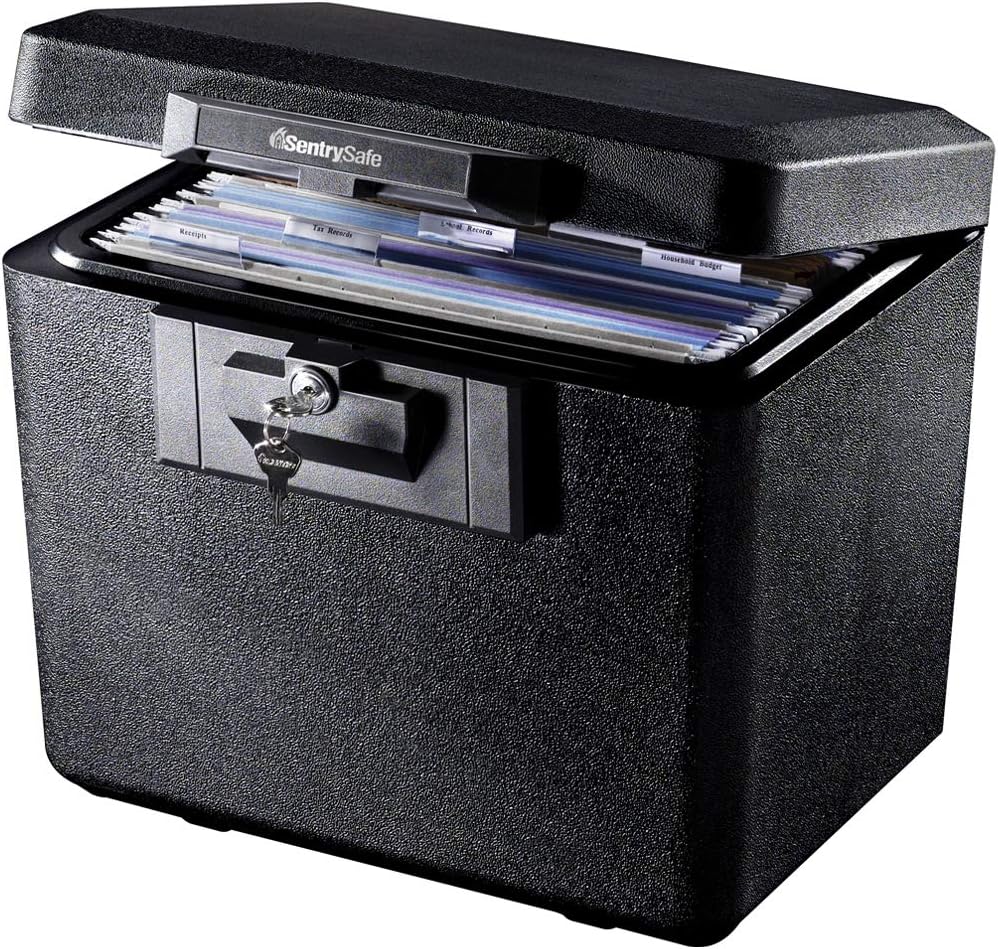
The SentrySafe Fireproof/Waterproof File Box has a fire rating that sounds impressive. It's rated for 30 minutes at 1550 degrees Fahrenheit. That's a measured number, not a promise. I've seen what a real house fire does to steel.
The safe might survive. Your paperwork might not. One buyer, J.D., wrote in March about losing his house in a total-loss fire.
The safe came out intact, and the contents survived. That's remarkable, but it's luck as much as engineering.
The fire rating is measured in minutes at a specific temperature, not in "your house burned to the ground."
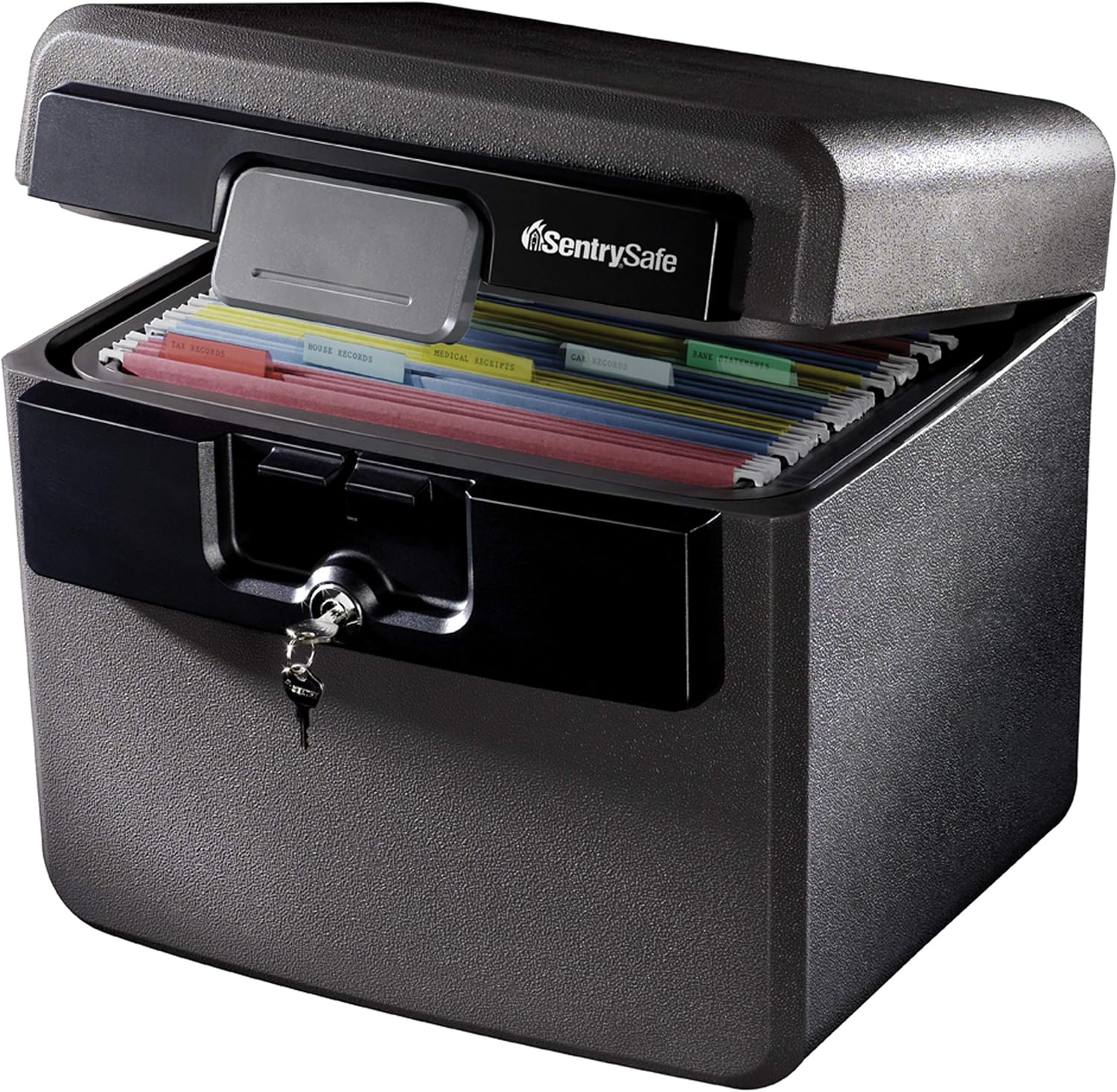
The fine print matters. The file box costs about ~$45 and weighs 6 pounds. It's light, it's cheap, and it stops prying eyes and hands. But if you're storing irreplaceable documents, buy a fire-resistant bag and put the documents in that, inside the safe. Don't trust the box alone.
Mistake three: The backup key inside the safe
I've lost count of how many people I've helped who stored their backup key inside the safe. That's the one mistake that guarantees a lockout. The SentrySafe QAP1E has a backup key that's supposed to be stored somewhere safe.
Don't store it inside the safe. Don't store it in the same drawer. Store it with a trusted neighbor or family member.
And for the love of God, don't rely on the key alone. The key on the QAP1E is thin and will bend if you push on it the wrong way.
Don't push on it the wrong way.
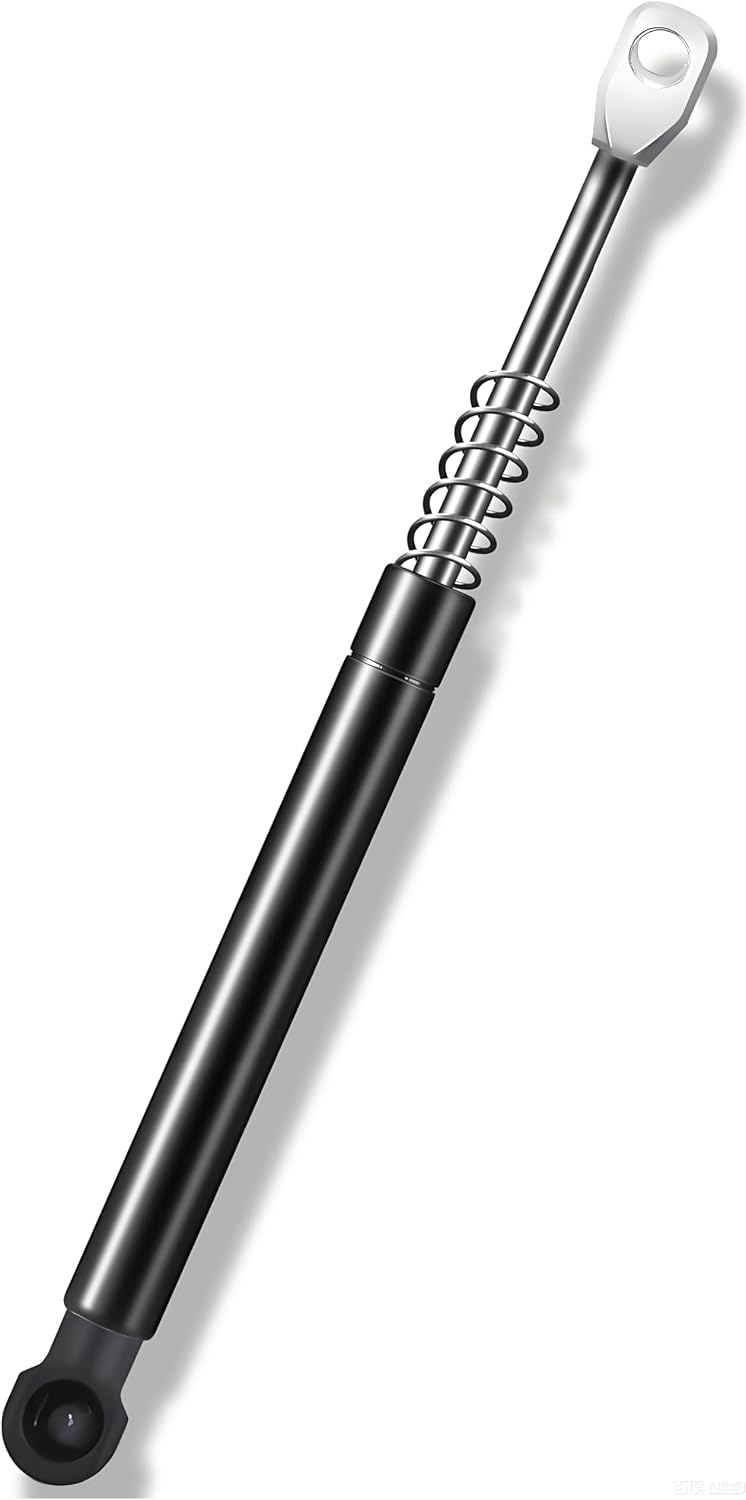
The QAP1E is a solid budget pick at about ~$60. It's got a better lock than the Amazon Basics model, and the steel feels thicker. But the backup key issue is real, and the battery door is another weak point. Multiple buyers report the battery door falling off inside the safe. That's a design flaw. Tape it shut before you need it.
Mistake four: Anchoring it wrong
The SentrySafe 1170 comes with anchors that don't fit through the holes by design. You have to disassemble the anchor assembly, slide the bolt head through, and reassemble it. The instructions don't tell you this, and buyers get frustrated. I've seen reviews where people gave up and just set the safe on a shelf. That's a crime of opportunity waiting to happen.
The fix is simple: sink those suckers into a stud. I use 3-inch lag bolts with good bite. If you're bolting into concrete, use masonry anchors. If you're bolting into drywall without a stud, you're wasting your time.
The drywall will tear out before the safe does. One buyer, a perfectionist installer, bolted his safe to a stud with 3-inch lag bolts and then desoldered the speaker for a clean look.
Overkill on the bolts, but that safe isn't coming out without the stud attached.
Mistake five: Ignoring the beeper
The beeper is the most complained-about feature on almost every safe I've tested. The Amazon Basics Drawer Safe beeps with every keypress and every open. Multiple buyers have disabled the speaker entirely.
I've done the electrical tape thing myself. But here's the thing: the beep is also a security cue. It tells you when someone's opening your safe.
If you disable it, you lose that. Silent mode is a feature on some models, but it means you can't hear it open.
I understand why people disable it. The beep is annoying. But think about what you're giving up. If a curious kid or a nosy roommate opens your safe, you want to know about it.
The competition
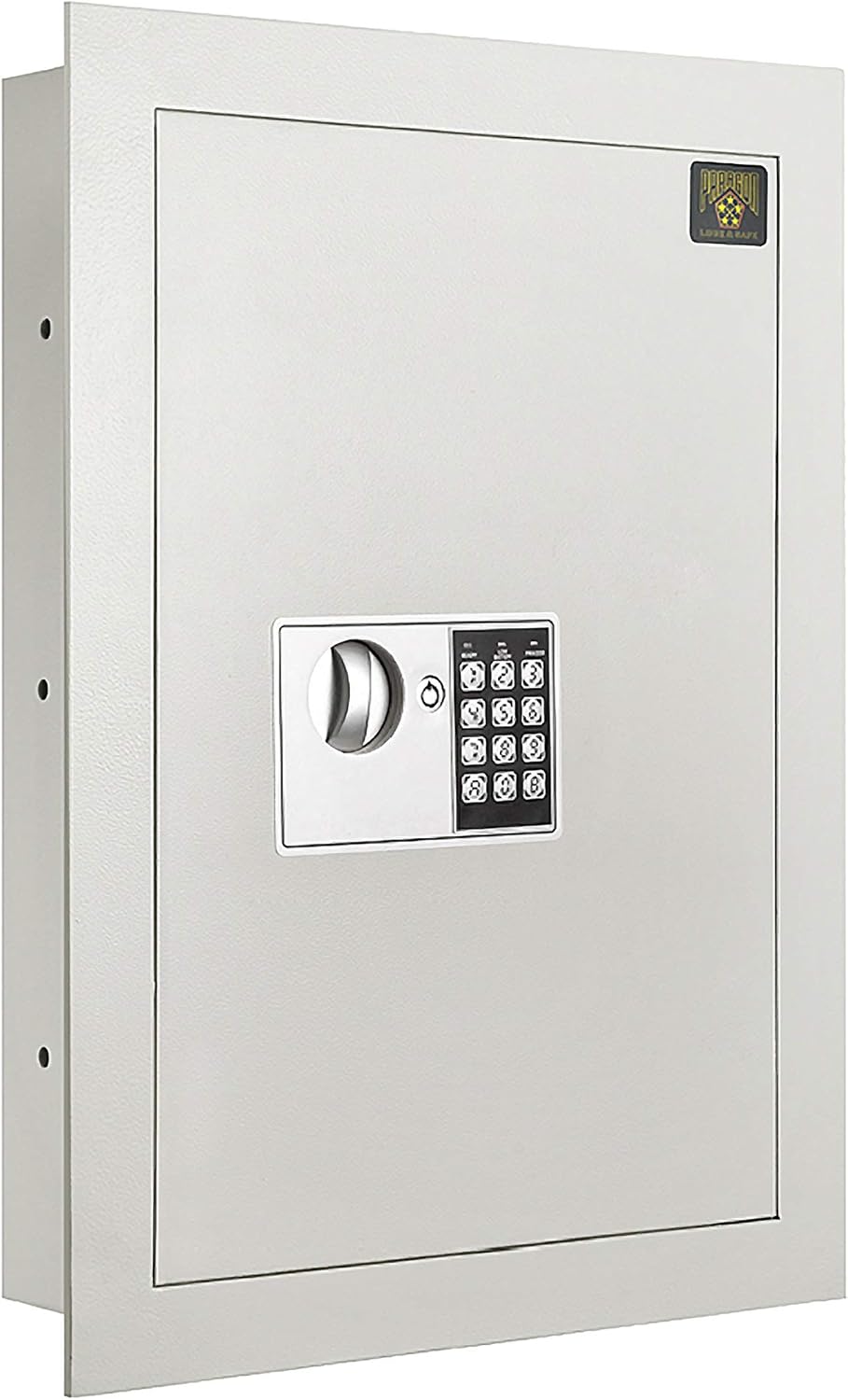
The SentrySafe 1170 is a different beast. It's designed to be recessed into a wall between studs, and it comes with a key lock. At about ~$114.99, it's cheap, but the key lock is easy to pick. I've opened one with a paperclip and a tension wrench in under two minutes. The lock is the safe, and this lock is a toy. If you're buying a wall safe, spend more on the lock.
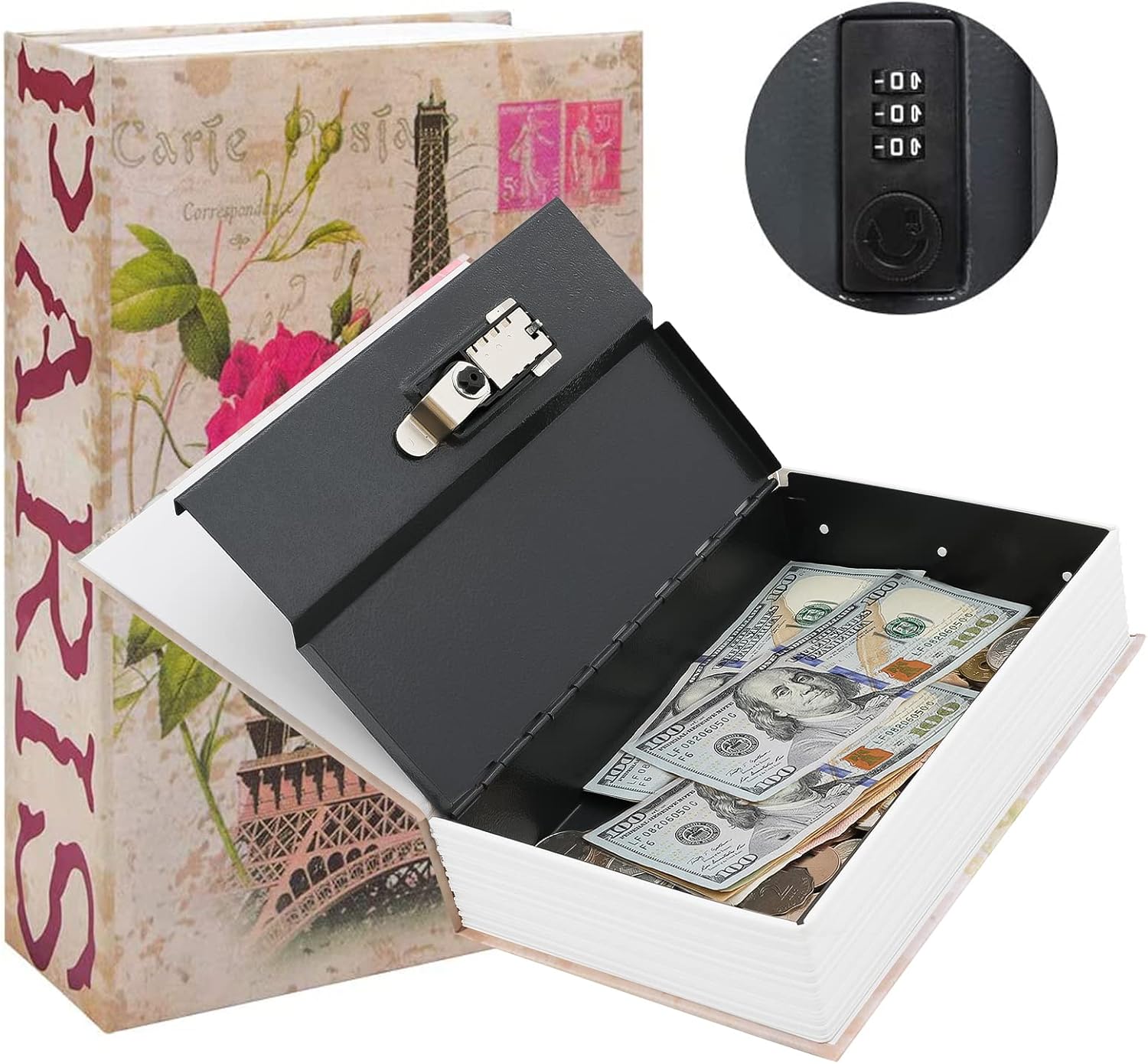
The diversion book safes are another category entirely. The KYODOLED Diversion Book Safe with Combination Lock costs about ~$25 and hides in plain sight on a bookshelf. It's not a safe. It's a hiding spot. A determined thief will find it.
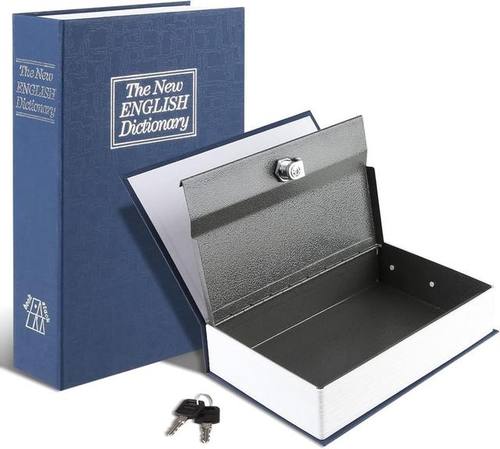
The Metal Booksafe with the Key Lock is the same idea with a key lock, which is worse because the key is easy to lose and the lock is easy to pick.
These are for sticky fingers, not for real security.
The customer service factor
The SentrySafe QAP1E and the 1170 both come from SentrySafe, and that matters. I've seen the reviews: SentrySafe replaced parts, answered phones, made things right. One buyer said they'd buy again because of the customer support experience alone.
That's worth something. A safe is a long-term purchase. You want a company that's still there when the gasket falls off.
The Customer Service Factor is real, and it's worth paying for.
What I'd buy
For most people, the SentrySafe 1170 is the sweet spot. It's under ~$100, it's heavy enough to feel secure at 16 pounds, and it's got a better lock than the cheaper options. Bolt it to a stud, tape the battery door, and store the backup key somewhere else. That's a setup that stops a smash-and-grab burglar with a crowbar.
If you're on a tighter budget, the Amazon Basics Drawer Safe at ~$40 works, but only if you anchor it. It's a security box, not a vault. Know the difference.
And for the irreplaceable stuff, buy a fire-resistant bag. Don't trust the box. That's the mistake I see most often, and it's the one that costs people their birth certificates, their marriage licenses, and their passports. Don't be that person.