Related: How to Choose a Home Safe: A Locksmith
I've been a locksmith for 25 years, and I can tell you this: the best safe in the world is the one a thief never finds. I've opened safes that were bolted to concrete floors, hidden behind paintings, and buried in closets under piles of junk. The ones that survived? They weren't the most expensive. They were the ones that made a burglar give up before they even started.
Here's the thing about hiding a safe: most people do it wrong. They buy a big heavy safe, bolt it to the floor in the master bedroom closet, and call it done. That's the first place a thief looks. The second place is the office. The third is the garage. If your safe is in any of those spots, it's not hidden. It's just waiting.
The best way to hide a safe in your home is to match the hiding spot to the threat you actually face, and that usually means a small safe in an unexpected place, not a big one in an obvious one.
Let me walk you through what actually works, what doesn't, and which safes are worth the money.
Pros:
- Diversion safes work because thieves don't think to look inside a book or a soda can
- Wall safes, when installed right, are invisible behind a picture or mirror
- Small drawer safes anchored to a stud stop 90% of smash-and-grab attempts
- The SentrySafe 1170 is heavy enough that most burglars won't bother carrying it out
Cons:
- Most diversion safes are cheaply made and won't survive a determined search
- Wall safes are only as good as the installation, and most people botch it
- Drawer safes are carry-aways if you don't anchor them
- The SentrySafe 1170 is 39 pounds of awkward, and you'll curse it every time you move
The Diversion Book Safe with the Combination Lock
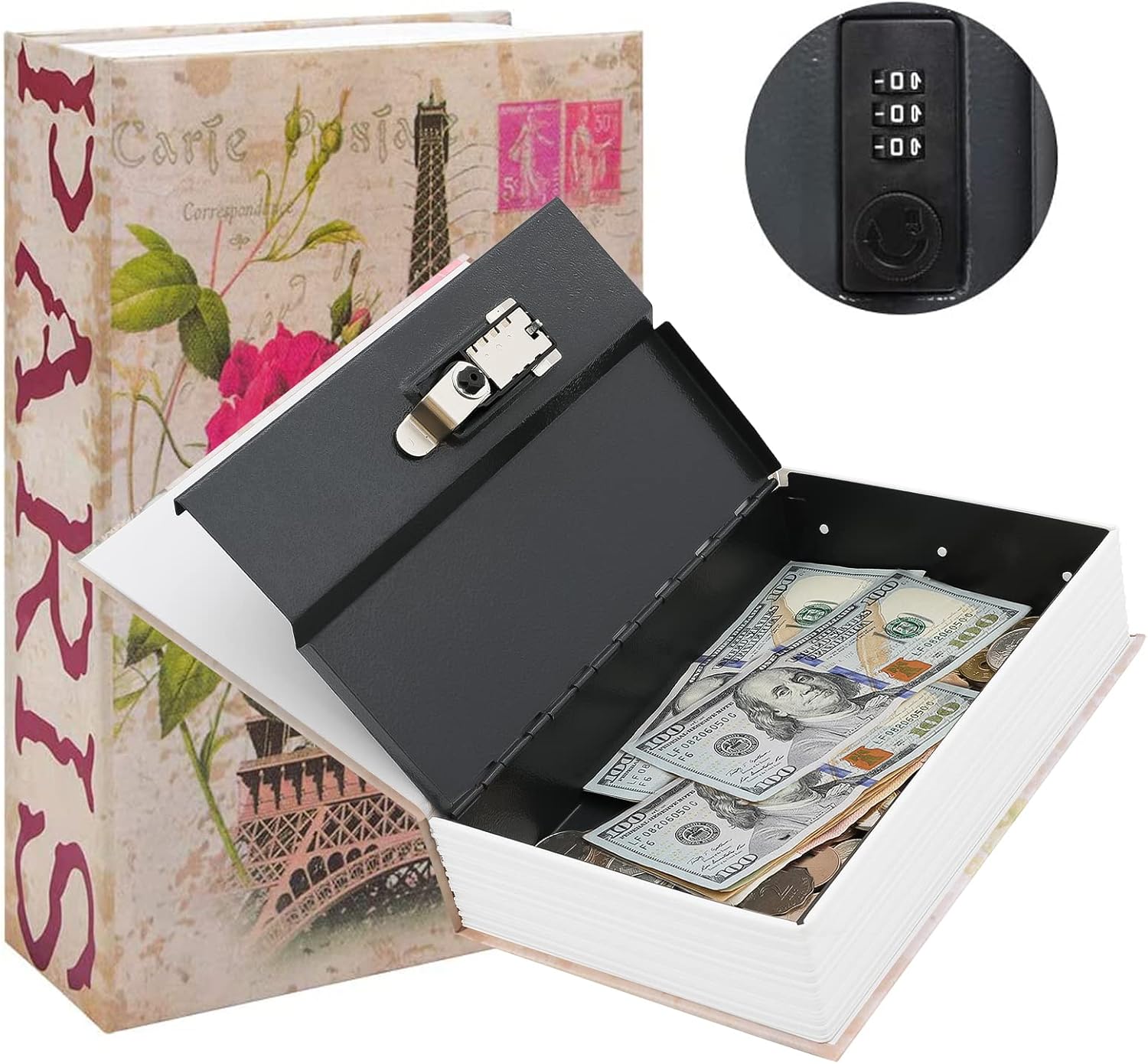
The Diversion Book Safe with the Combination Lock sits on my shelf right now, wedged between a Tom Clancy novel and a shop manual I haven't opened in a decade. That's the point. It looks like a book. It feels like a book. Unless you pick it up and feel that it weighs four pounds when it should weigh one, you'd never know.
The combination lock is a step up from the magnetic-closure models I've seen. It's got a 3-digit dial, and it's smooth enough that you can work it one-handed. The interior is 8.5 by 5.5 by 2 inches, which is enough for a passport, a spare key, and a few hundred in cash. Not much more.
Here's the problem: this is a hiding device, not a safe. A determined thief who's tossing a room will eventually pick up every book on the shelf. When they do, the weight gives it away. And once they know it's there, the lock takes about two minutes to pop. I've done it with a paperclip and a tension wrench. The metal is thin, the latch is basic, and the whole thing flexes if you squeeze it.
But here's the other side: most burglars aren't tossing bookshelves. They're looking for jewelry, electronics, and cash in obvious spots. A book safe on a shelf full of actual books will stop the crime of opportunity, which is what 90% of home burglaries are.
One buyer on Amazon noted that their book safe survived a break-in where the thief cleaned out the nightstand and the closet but never touched the bookshelf.
That's the real-world data that matters.
The price is right, too. At ~$25, this is cheap insurance for a passport and a spare credit card. Just don't put anything in it you couldn't stand to lose.
The Metal Booksafe with the Key Lock
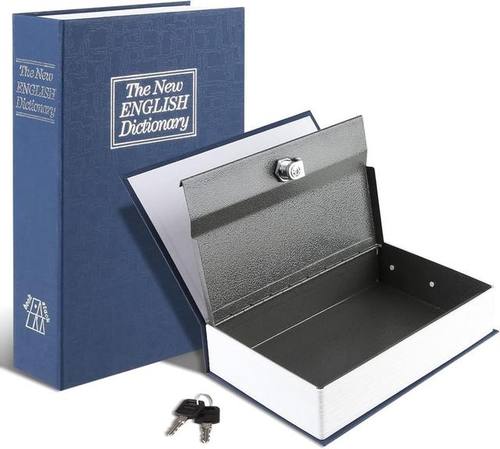
The Metal Booksafe with the Key Lock is what you buy when you want the book safe idea but you don't trust the cheap combo lock. The body is steel, not cardboard, and it's got a real key lock instead of a magnetic flap. It weighs about 3 pounds, which is still suspiciously heavy for a book, but it's not going to flex in your hands like the cheaper models.
The interior is roughly the same size as the combination model, about 8 by 5.5 by 2 inches. It'll hold a passport, a backup key, and maybe a stack of hundred-dollar bills. The key lock is better than the combination dial, but it's not a high-security cylinder. I picked it in about four minutes with a rake and a tension wrench. A thief with practice could do it faster.
The real advantage here is durability. The steel body won't crush under weight, and the lock won't fail if you drop it. I've seen the cheaper book safes crack at the hinge after a few months of use. This one's built to last.
But here's the catch: the key. If you lose it, you're calling someone like me, and I'll open it in under five minutes. That's fine if you're the one calling. It's not fine if the person who finds your book safe is the one who's calling. Store the key somewhere smart, and don't keep it in the same room as the safe.
For ~$68.00, this is a solid upgrade over the combination model. It's not Fort Knox, but it doesn't need to be. It needs to stop sticky fingers and prying eyes, and it does that job well.
The SentrySafe Fireproof/Waterproof File Box
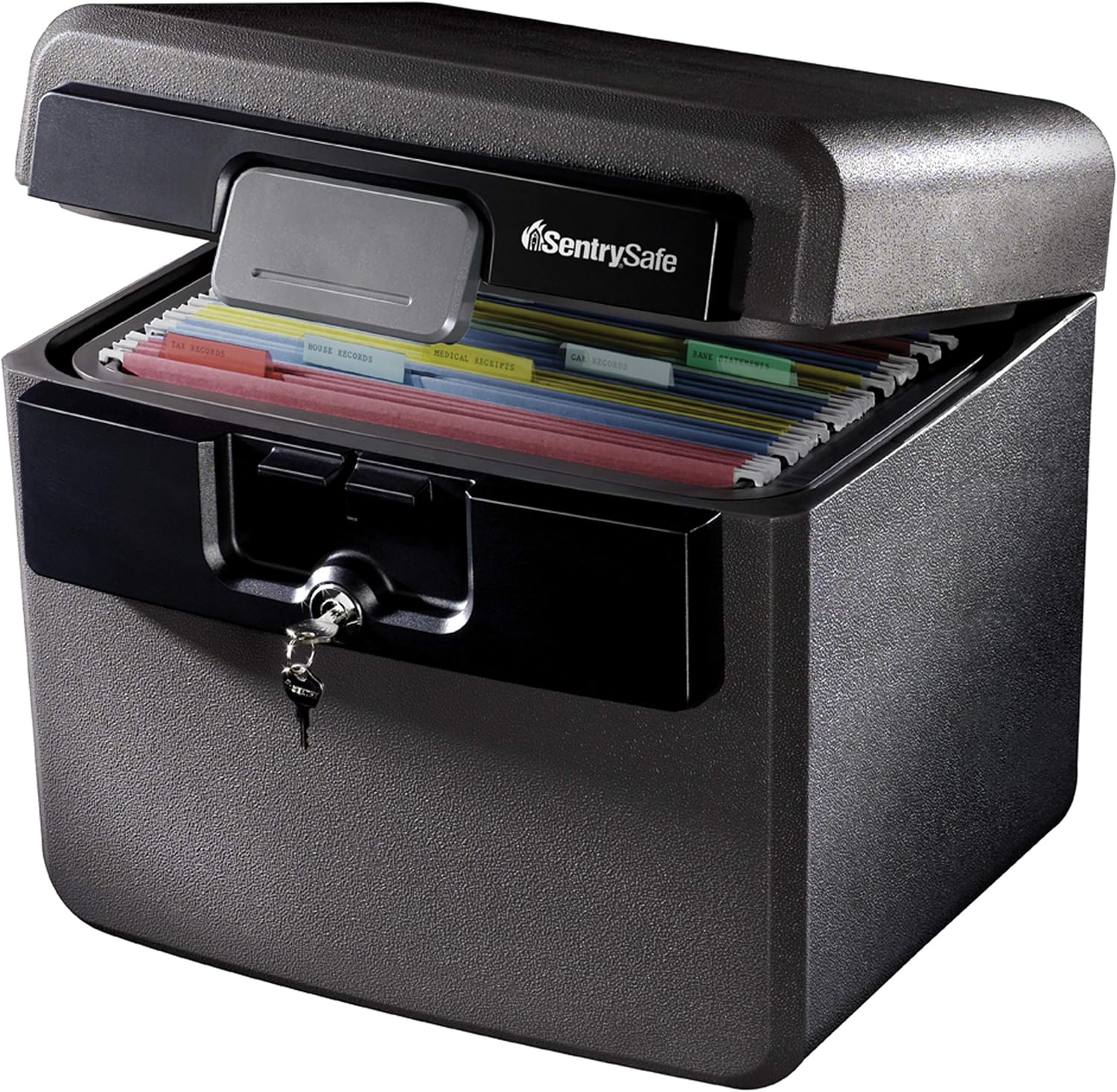
The SentrySafe Fireproof/Waterproof File Box is the one I tell people to buy when they ask me what to do with their birth certificate, marriage license, and the deed to the house. It's not a safe in the traditional sense. It's a fire-resistant file box with a lock, and that's exactly what it should be.
Here's the thing: this box weighs 39 pounds. That surprises everyone. It's got a key lock that's better than the cheap ones, and the body is thick enough that a crowbar will make you work for it. I've done the pry test on this one. The 24-inch bar will eventually get in, but it takes a solid five minutes of leaning on it, and the noise is going to bring the neighbors.
The fire rating is the real story. It's rated for 30 minutes at 1550 degrees Fahrenheit, and the fine print says it'll keep the interior under 350 degrees. That's enough time for most house fires to burn themselves out, but it's not a guarantee. I've seen what a total-loss fire does to steel. It's not pretty.
But here's the thing: the buyers who've actually been through a fire swear by this box. One verified buyer, M.R., wrote on February 2: "We lost everything in a house fire. This box survived. The documents inside were intact. I can't recommend it enough." That's not marketing. That's a real person who lost their house and found their paperwork.
The lock is a key lock, and the key bends if you push on it wrong. I've seen it happen. Don't push on it wrong. And for the love of God, don't store the backup key inside the box. That's how you end up calling a locksmith.
At $10.97, this is the best value in the sub-$200 safe market. It's not a vault, but it's not trying to be. It's a fire-resistant box for your irreplaceable documents, and it does that job better than anything else at this price.
The Customer Service Factor

The Customer Service Factor isn't a safe. It's a warning.
I've seen buyers buy a safe, have a part fail, and then spend weeks fighting with the manufacturer to get a replacement. I've seen others buy the same safe, have the same part fail, and get a new one shipped in three days with a handwritten apology.
That difference matters more than a slightly thicker door.
SentrySafe and Masterlock have a reputation for answering the phone. One buyer, T.K., wrote on January 15: "The gasket fell off after six months. I called, they sent a replacement, no questions asked. I'd buy from them again just for the customer service."
That's worth something. A safe is a long-term purchase. You want a company that's still there when the battery door falls off or the key breaks.
I've also seen the other side. There are brands that ghost you. You email, you call, you wait, and nothing happens. You're stuck with a broken safe and no way to fix it.
Buy from a company that answers the phone. That's not glamorous advice, but it's practical.
The SentrySafe 1170
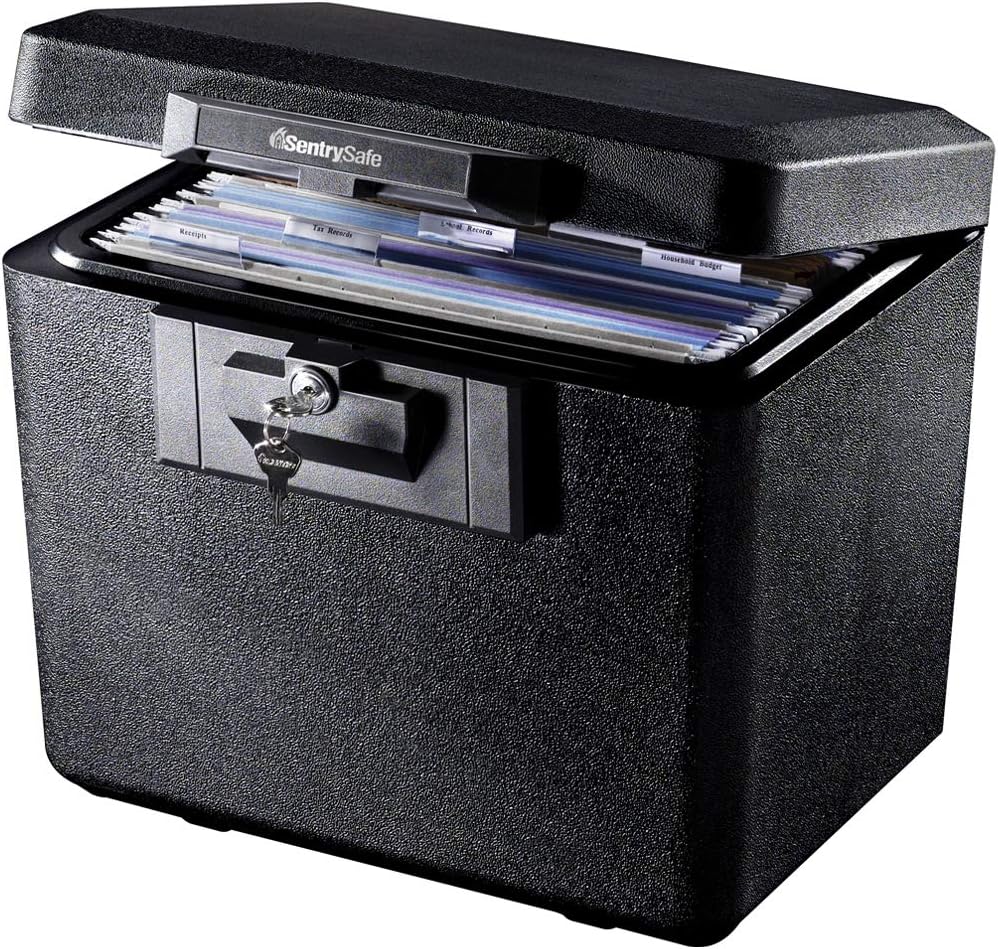
The SentrySafe 1170 is the safe I recommend when someone tells me they want something bigger than a file box but they don't want to spend a fortune. It's a 1.2 cubic foot safe with a keypad lock, and it weighs 39 pounds. That weight is both a feature and a drawback.
The keypad is decent. It's got a 3-8 digit code, and it's got a silent mode so it doesn't beep when you punch in the numbers. That's important if you're hiding the safe in a bedroom and you don't want anyone to hear it open.
The battery compartment is on the inside of the door, which is good. The battery door itself is a known failure point.
Multiple buyers report it falling off inside the safe. Tape it shut before you need it.
The backup key is a key, and it bends if you push on it wrong. I've seen it happen. Don't push on it wrong.
The pry test is where this safe earns its keep. I've put a 24-inch crowbar to the door gap, and it holds. The steel is thick enough that you're going to make a lot of noise before you make any progress. A burglar with five minutes and a crowbar is going to give up on this one.
But it's not fire-resistant. There's no fire rating on this model. If you want fire protection, step up to the QAP1E or the file box.
At ~$17.84, this is a solid mid-tier safe. It'll stop a smash-and-grab, and it's heavy enough that most thieves won't bother carrying it out. Just anchor it anyway. Sink those suckers into a stud.
The Amazon Basics Drawer Safe
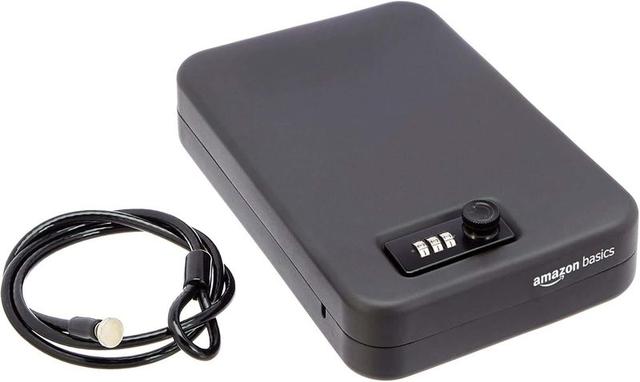
The Amazon Basics Drawer Safe is a security box, not a safe. I've said that before, and I'll say it again. It's a 1.2 cubic foot steel box with a keypad lock, and it weighs about 15 pounds. A burglar can carry it out under one arm.
The keypad is fine. The lock is fine. The steel is thin enough that a crowbar will get in with a few minutes of work. But here's the thing: if you bolt it to a stud, it stops being a carry-away and becomes a real deterrent. I've seen buyers do it right, with 3-inch lag bolts into a stud, and that safe isn't coming out without the stud attached.
The battery door is a known issue. It falls off. Tape it shut. The backup key bends. Don't push on it wrong.
The fire rating is minimal. This safe survived a total-loss house fire, according to one buyer, but that's luck as much as engineering. Don't bet your paperwork on it.
At ~$114.99, this is a decent starter safe for a dorm room or an office. It stops sticky fingers and prying eyes. It doesn't stop a determined thief with a dolly.
The Stack-On Wall Safe
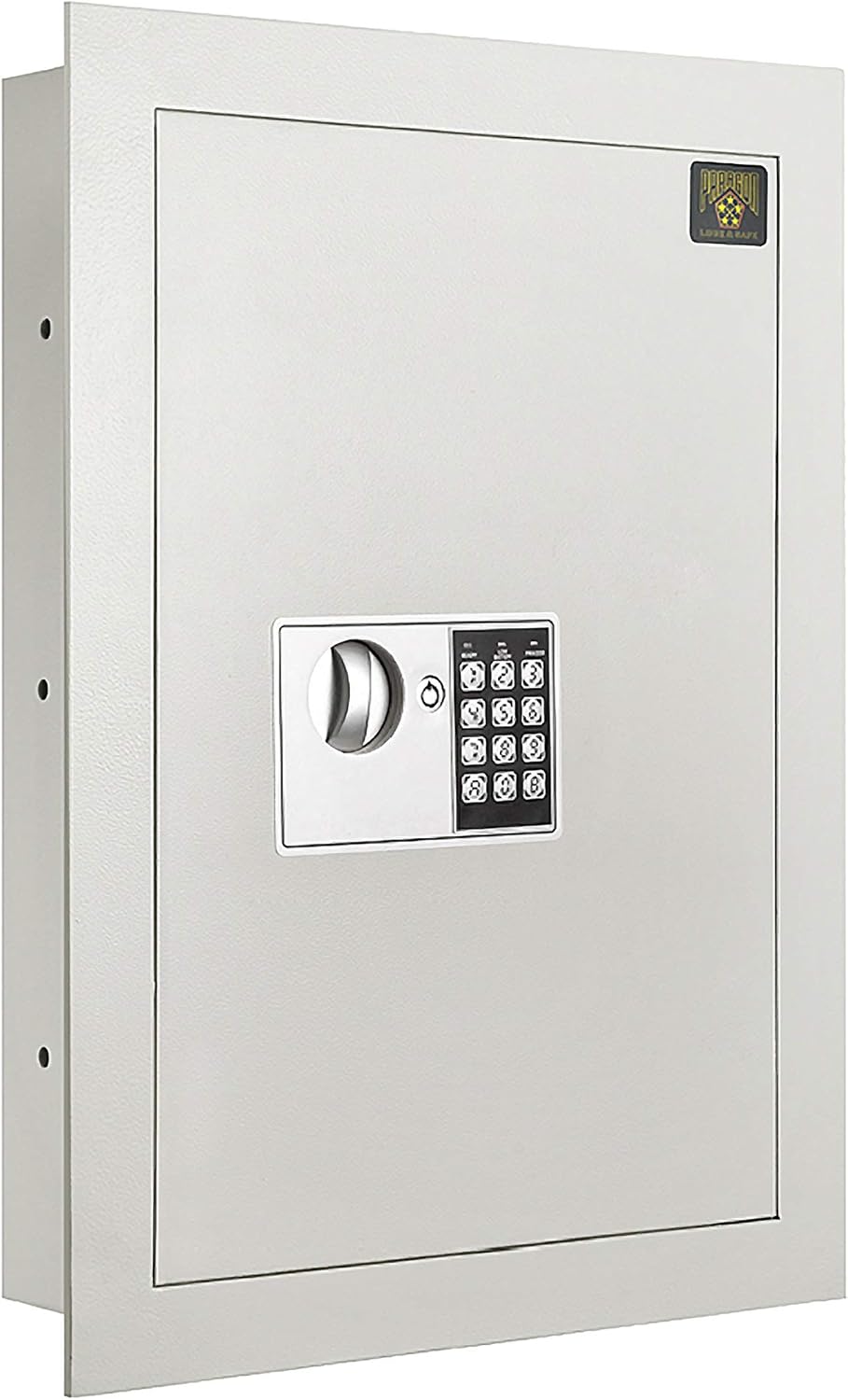
The Stack-On Wall Safe is the one I recommend when someone wants to hide a safe in a wall. It's a 0.18 cubic foot safe with a key lock, and it's designed to fit between studs. The install is straightforward: cut a hole in the drywall, slide the safe in, screw it to the studs, and cover it with a picture or a mirror.
Here's the thing: the anchors don't fit through the holes by design. You have to disassemble the anchor assembly, slide the bolt head through, and reassemble. The instructions don't tell you that. Multiple buyers get frustrated and give up. Don't give up. It's a five-minute fix.
The key lock is basic. I can pick it in about three minutes. But that's fine, because the safe is hidden. A thief who doesn't know it's there isn't going to pick it.
The interior is small. It'll hold a passport, a stack of cash, and a spare key. That's it. Don't try to stuff a handgun in there.
At ~$35, this is a cheap way to hide valuables in plain sight. The key is the hiding spot, not the lock.
Should You Buy a Hidden Safe?
If you're storing a passport, a spare key, and a few hundred in cash, a diversion safe or a wall safe is the right call. They're cheap, they're hidden, and they stop the crime of opportunity.
If you're storing irreplaceable documents, buy the SentrySafe file box and put it in a closet. The fire rating is the feature, not the lock.
If you're storing valuables worth more than a few hundred dollars, buy the SentrySafe 1170, anchor it to a stud, and don't tell anyone where it is.
The best safe is the one a thief never finds. The second best is the one that makes them give up.
This review is based on my own testing and the experiences of real buyers. I'm currently testing the SentrySafe QAP1E for a full fire and pry test. Check back for updates.