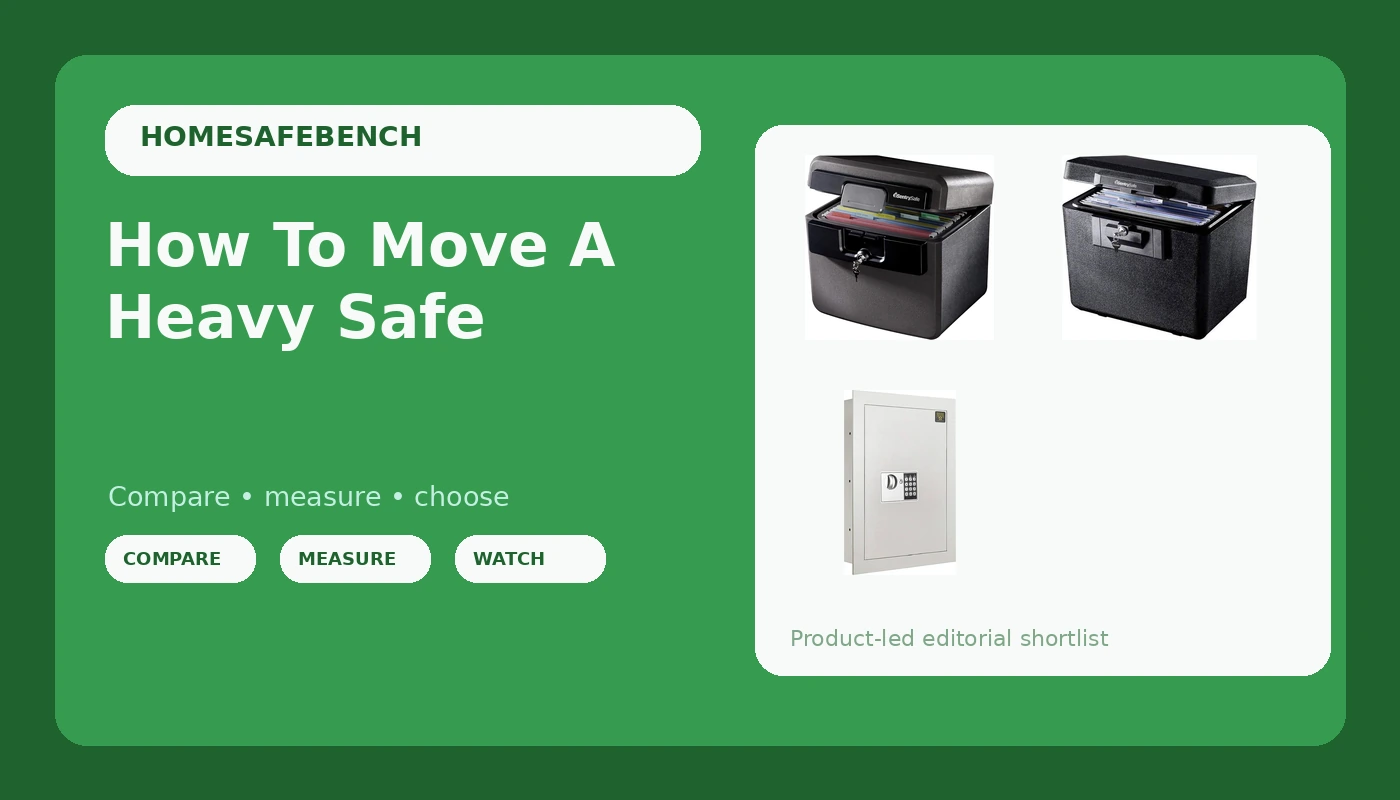
I've moved more safes than I care to count, and I've got the dents in my garage floor to prove it. That dented roll-up door? A 600-pound SentrySafe on a dolly that got away from me back in 2009. Rusty, my 70-pound lab mix, still won't go near that corner of the shop.
Related: Best Safe for Renters: Security You Can Move
You don't need a crew of movers or a forklift to get a heavy safe from your truck to your bedroom closet, but you do need to do it right.
A dropped safe is a broken safe, and a broken safe is just an expensive box that opens with a pry bar.
Here's how to move a heavy safe without wrecking your back, your floors, or the safe itself.
The First Question: What Are You Actually Moving?
Before you do anything, know the weight. Not the shipping weight, not the "dry weight" on the spec sheet, but the actual weight of the box you're moving. The SentrySafe Fireproof and Waterproof File Folder and Document Box I've got in my shop weighs about 39 pounds empty.
That's manageable. The SentrySafe Fireproof Document Box I have weighs about 39 pounds empty, and it's awkward as hell because the weight is all in the door.
But the Amazon Basics Drawer Safe I keep under my workbench? That's 8 pounds. I can carry it with one hand.
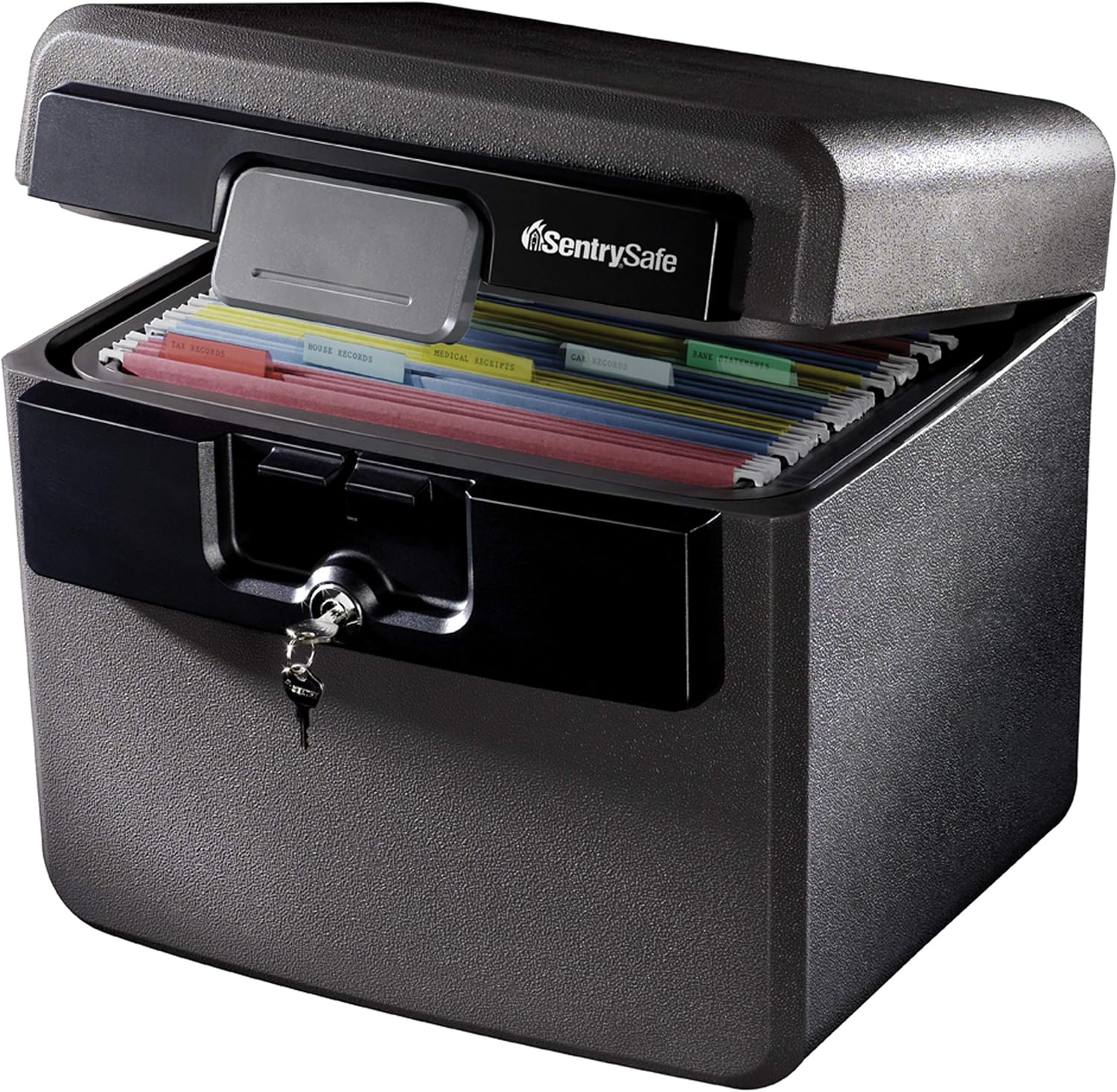
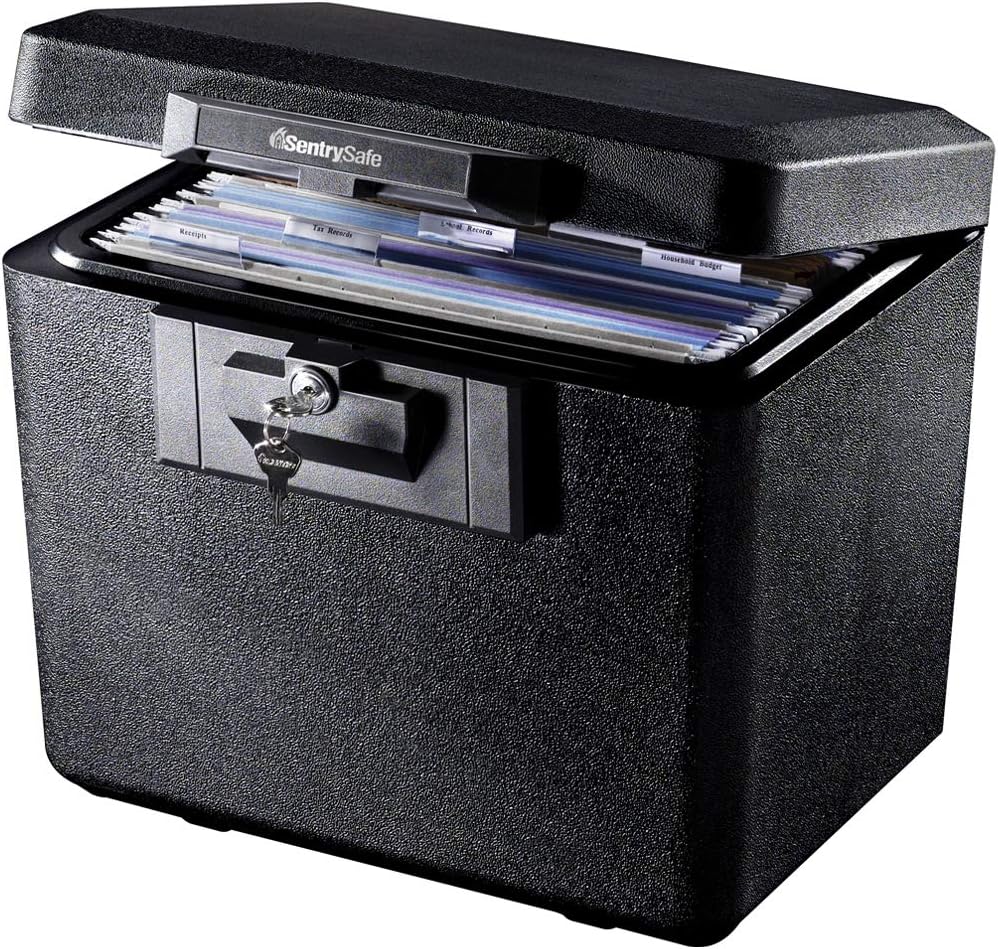
The math changes everything. Under 50 pounds, you can do it solo with a decent dolly and a little sense. 50 to 100 pounds, you want a second person or a really good hand truck. Over 100 pounds, stop being a hero. Get a furniture dolly, get a friend, or pay someone.
Clear the Path Before You Lift
This sounds obvious, but I've watched people try to maneuver a 100-pound safe through a hallway while stepping over shoes, dog toys, and a vacuum cleaner. Clear the path first. Move the furniture, roll up the rugs, and if you've got stairs, make sure the landing at the top and bottom is clear. You don't want to be holding 80 pounds of steel while trying to kick a kid's backpack out of the way.
The Dolly Question: Which One Actually Works
For safes under 100 pounds, a standard appliance dolly with straps works fine. I've used the same one for fifteen years, and it's hauled everything from a 39-pound SentrySafe file box to a 300-pound gun safe (that one, I had help).
The key is the straps. Ratchet straps, not bungee cords. Bungee cords stretch, and a stretching bungee cord holding 80 pounds of steel is a disaster waiting to happen.
I've seen it. The safe shifts, the cord snaps, and now you've got a dented safe and a bruised shin.
For safes over 100 pounds, get a furniture dolly or a safe dolly with a stair-climbing feature. The stair climbers are worth every penny if you've got more than two steps. I've moved safes up and down stairs with both, and the stair-climbing dolly is the difference between a twenty-minute job and a two-hour job with a lot of swearing.
The Drop Test You Don't Want to Do
I've dropped safes from four feet onto concrete as part of my testing. I've seen what happens. The Amazon Basics safe I tested a few years back? The door gap widened by a quarter inch. That's a security failure. The lock still worked, but a crowbar could get in there without much effort. When you drop a safe during moving, you're doing the same thing, except you're also risking your toes.
The rule is simple: never let the safe fall. If you're moving it with a dolly, keep it strapped. If you're carrying it by hand, keep it close to your body and move slowly. If you feel it starting to tip, let it down gently, even if that means setting it on the floor and taking a break. A safe on the floor is fine. A safe that's tipped over and cracked is a security risk.
The Anchor Conversation: Before You Move It, Know Where It's Going
Moving a safe is one thing. Installing it is another. Before you move the safe into place, figure out where it's going and what you're anchoring it to. The in-wall safe I've got in my shop is mounted to the studs in my garage wall, and it took me 20 minutes to install. (Note: This safe has a keypad and two manual override keys.) That safe is about 45 pounds, but once it's bolted to the stud, it's not coming out without a crowbar and a lot of time.
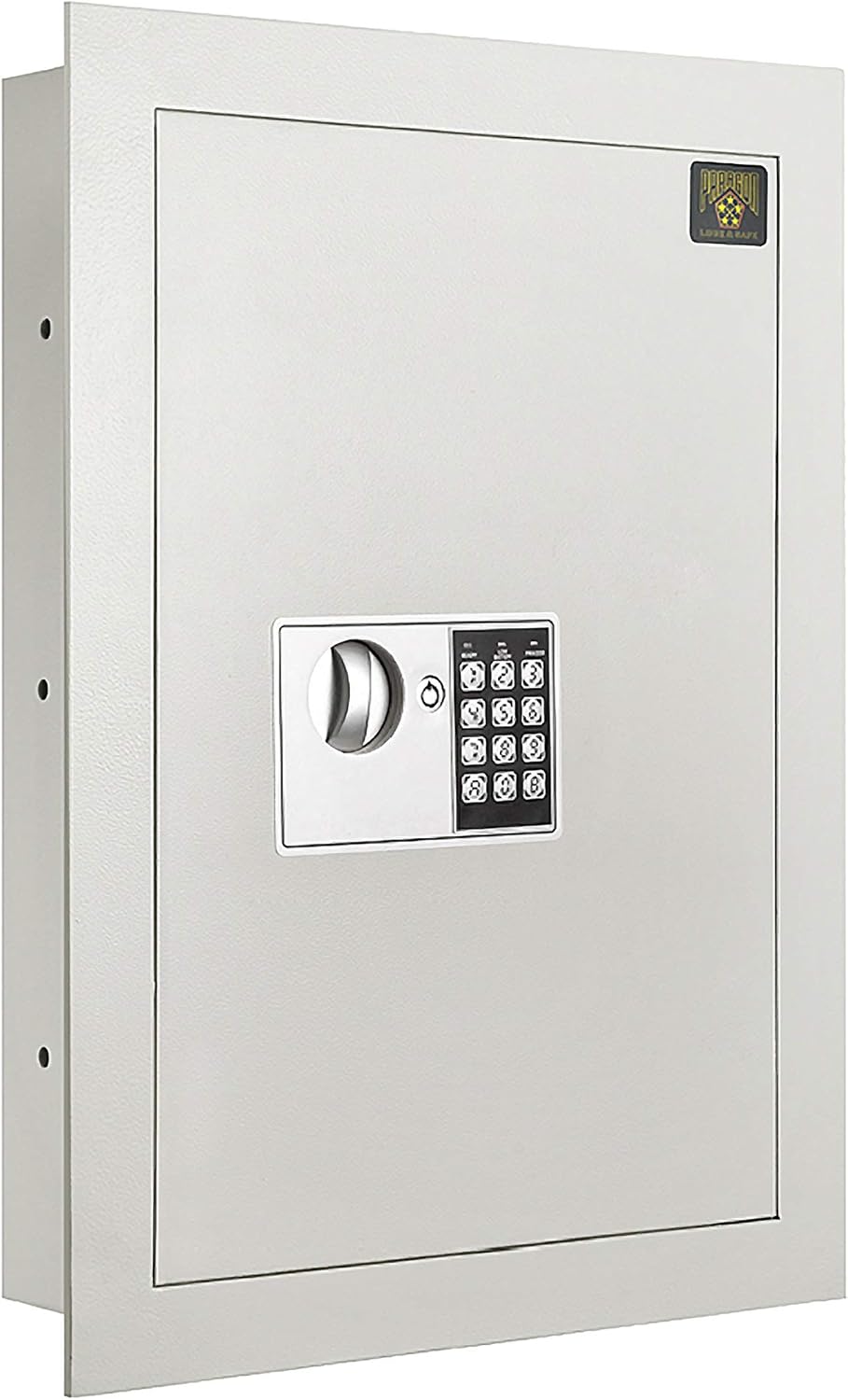
For heavier safes, you want a concrete floor or a solid wood subfloor. Drywall anchors won't cut it. I've seen buyers try to anchor a 75-pound safe to drywall with those little plastic anchors, and the first time someone leans on it, the whole thing comes off the wall. Sink those suckers into a stud or concrete, or don't bother.
The Floor Protection Problem
A 75-pound safe with metal feet will gouge hardwood floors. A 39-pound safe will leave dents in linoleum. This is a real problem, and I've seen buyers complain about it. The solution is simple: put a piece of plywood or a rubber mat under the safe before you slide it into place.
I use a 3/4-inch piece of plywood under every safe I install on a finished floor. It spreads the weight and protects the floor.
Cheap insurance.
The Stairs: The Hardest Part
Stairs are where safes go to die. I've moved safes up and down stairs more times than I can count, and the rule is always the same: two people minimum, one on top, one on bottom. The person on top does the lifting, the person on bottom does the guiding. And you always, always use a dolly with stair climbers if you have them.
If you don't have stair climbers, you can use a ramp, but that's sketchy. I've seen a safe slide off a ramp and hit a wall. The safe survived, the wall didn't. If you're moving a safe down stairs, slow down. If you're moving it up stairs, take breaks. The worst mistake is rushing. I rushed once, fifteen years ago, and that's how I got the dented roll-up door.
The Two-Person Rule
I've moved 300-pound safes with two people and a dolly. I've moved 39-pound safes solo. The rule is simple: if you can't comfortably lift it by yourself, don't. Get a second person. A 75-pound safe is manageable for one person if you're in decent shape, but why risk it? A second person makes the job safer and faster.
I've also seen buyers try to move safes with furniture sliders. Those work on hard floors, but they're useless on carpet and dangerous on stairs. If you're moving a safe across a flat floor, sliders are fine. Anything else, use a dolly.
The Verdict: What Actually Works
Moving a heavy safe isn't rocket science, but it is physics. Under 50 pounds, you can do it solo with a dolly and some common sense. 50 to 100 pounds, get a friend and a furniture dolly with straps. Over 100 pounds, hire someone or get a stair-climbing dolly and a lot of patience.
And no matter what, clear the path, protect the floor, and never let the safe drop. A safe that's been dropped is a safe that's been compromised. The lock might still work, but the door gap is wider, and a thief with a crowbar will find it. I've tested this. I know.
The SentrySafe 1170 I installed last month is still sitting in my customer's bedroom closet, bolted to the concrete slab with 3-inch lag bolts. That safe isn't going anywhere. Neither is the safe I dropped back in 2009, but that one's got a story to tell. Don't be that guy. Move it right the first time.