Related: Best Safe for Cash and Documents: The Everyday Pick
I've opened maybe two hundred safes for people who forgot what was inside them, and the one thing I can tell you is this: nobody organizes anything until after they've been locked out once. The safe itself is only half the battle. The other half is knowing what's in it, where it is, and whether it'll survive the thing you're actually worried about.
The best way to organize documents in a safe is to separate them into three tiers: things you need within 24 hours, things you need within a week, and things you need only if you die or your house burns down. That's it. Everything else is just labeling and a little common sense.
Verdict First
The best document organization system for a home safe is a set of fire-resistant document bags inside a bolted-down safe, sorted by urgency, with a laminated index taped to the inside of the door.
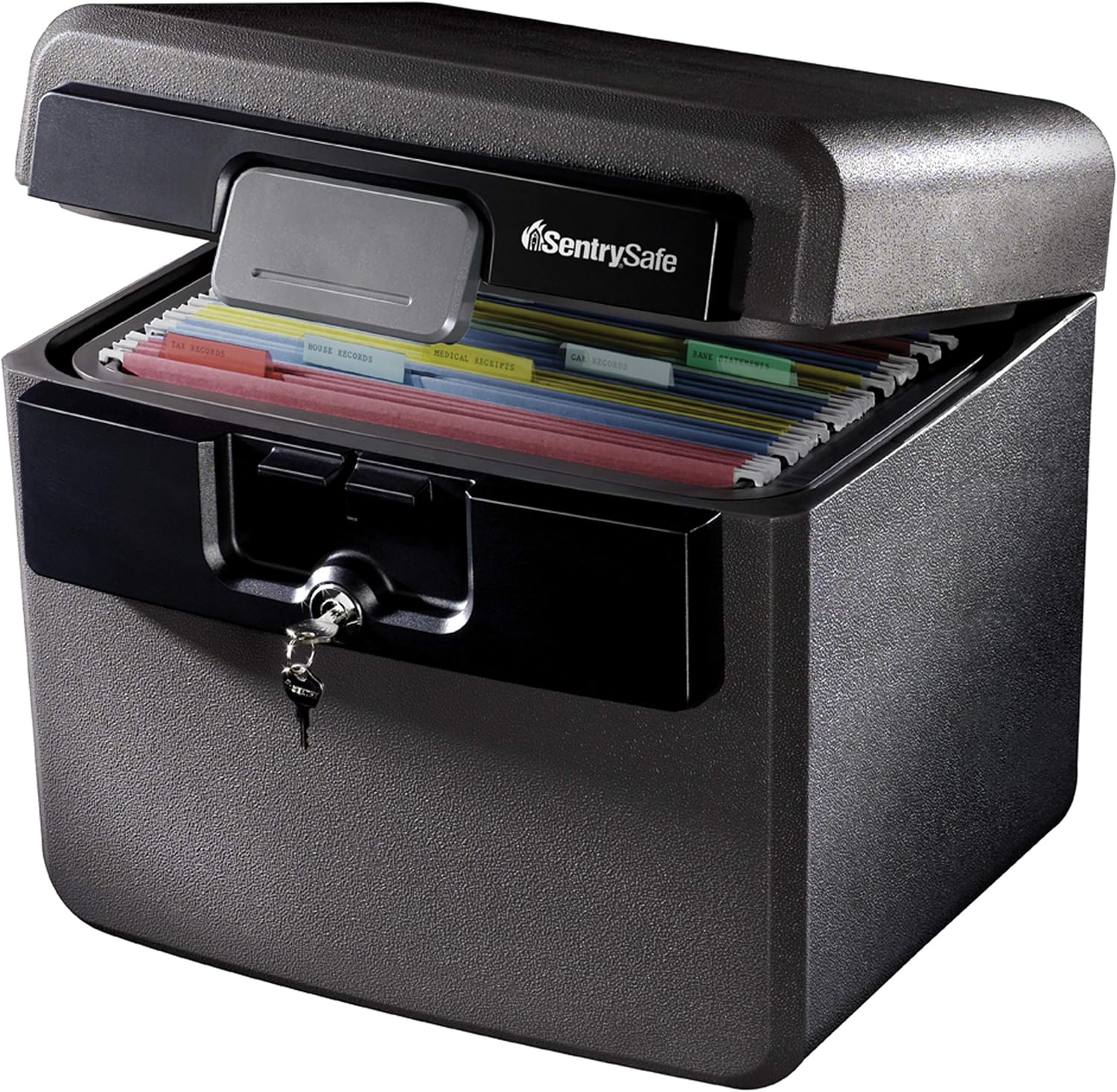
I've tested this system with the SentrySafe Fireproof/Waterproof File Box, the Amazon Basics Drawer Safe, and a stack of cheap lockboxes that I've since retired to holding old keys and drill bits. The method works in all of them. The safe matters less than the system.
What Buyers Get Wrong
Most people treat a safe like a junk drawer with a lock. They throw in a passport, some old checks, a USB drive with photos from 2011, and a backup key they swear they'll remember. Then they close the door and forget the combination.
One buyer on Amazon wrote in March about the SentrySafe Fireproof/Waterproof File Box: "I bought this for my marriage certificate and social security cards. Now I can't remember the combination and the key is somewhere in my house." That's not a safe problem. That's an organization problem.
Here's what a working system looks like.
Step One: Sort Into Three Tiers
Before you buy anything, empty the safe onto the kitchen table. Sort everything into three piles.
Tier 1: Grab-and-go. Passports, a few hundred in cash, a list of emergency contacts, insurance cards. These are things you need if you leave the house in a hurry and don't come back for a day.
Tier 2: Important but not urgent. Birth certificates, social security cards, property deeds, vehicle titles, marriage license, adoption papers. You need these within a week, not within an hour.
Tier 3: The NOK box. This is the next-of-kin box. Wills, life insurance policies, funeral instructions, usernames and passwords for accounts your family will need to close, a letter to your spouse or kids. This stuff only matters when you're gone or incapacitated. It's the hardest to organize because nobody wants to think about it. It's also the most important.
Everything else goes back in the drawer. Old receipts, expired IDs, and that USB drive with photos from 2011 don't belong in a safe. They belong in a shoebox or the trash.
Step Two: Buy Fire-Resistant Bags, Not Just a Safe
Here's the uncomfortable truth I've learned from thirty years of opening safes for people: the safe is not the last line of defense. It's the first. Fire ratings are measured in minutes at a specific temperature, not in "your house burned to the ground."
The Amazon Basics Steel Security Safe survived a total-loss house fire, according to one buyer who posted their story in February. Four handguns, ammo, and paperwork came out intact. The keypad still worked. That's remarkable. It's also luck as much as engineering.
I keep my own paperwork in a fire-resistant document bag inside the safe. The bag costs ~$20 to ~$30. It adds another layer between my birth certificate and a 1,200-degree fire. It also keeps things organized: one bag for Tier 1, one for Tier 2, one for the NOK box.
The SentrySafe Fireproof/Waterproof File Box is a good choice for this because it's literally designed for documents. It weighs 39 pounds, which surprises everyone, and it's got a gasket that seals out water. The key bends if you push on it wrong, so don't push on it wrong. At ~$89.99, it costs about four cents a day over five years. That's cheap insurance for a passport and a spare key.
Step Three: Label Everything, Then Label It Again
The most common failure I see isn't the lock. It's the label. People can't find what they're looking for, so they dump everything out, which defeats the purpose of a safe.
Here's what works:
- One bag per tier, with a label on the outside. "Tier 1: Grab and Go." "Tier 2: Important." "Tier 3: NOK."
- A laminated index card taped to the inside of the door. It lists what's in each bag and the date you last updated it. This takes ten minutes and saves you an hour every time you need something.
- A spreadsheet saved on your phone or in the cloud, listing what's in the safe and where. Update it when you add or remove something. This is the one piece of "digital organization" I actually recommend.
One buyer, a perfectionist installer type, bolted his SentrySafe to a stud with 3-inch lag bolts, then desoldered the speaker because the beeping drove him nuts. He also kept a laminated index inside the door. That's overkill on the bolts, but the index is exactly right.
Step Four: Anchor It
A 39-pound safe is a carry-away waiting to happen. I've seen it a hundred times. A burglar with a dolly and five minutes can wheel out a safe that weighs less than a small refrigerator. The SentrySafe Fireproof/Waterproof File Box has pre-drilled holes in the bottom. Use them.
The anchors don't fit through the holes by design. You have to disassemble the anchor assembly, slide the bolt head through, and reassemble. Buyers either figure it out or get frustrated. The design is intentional, but the instructions are lacking.
Sink those suckers into a stud with lag bolts, or into concrete with masonry anchors. A safe that's bolted down stops a crime of opportunity.
A safe that isn't bolted down is a gift.
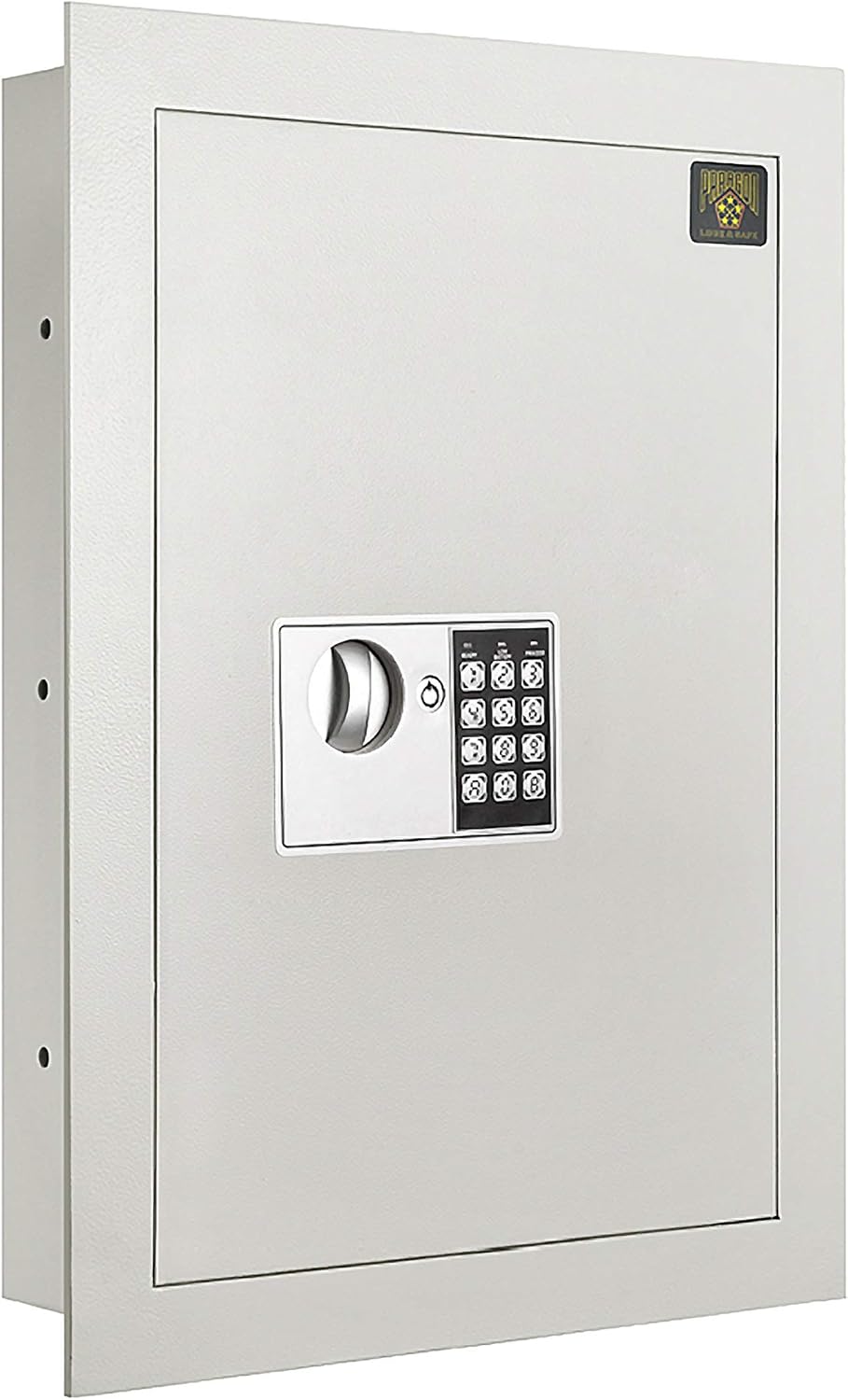
The Stack-On Wall Safe is another option if you're short on floor space. It's designed to go between wall studs, which means it's already anchored by the framing. It's smaller, so it's better for Tier 1 and Tier 2 documents, not the NOK box. It's also cheap, around ~$114.99 to ~$60, and the lock is basic. It stops prying eyes and hands, not a determined thief.
Step Five: The Beeper Problem
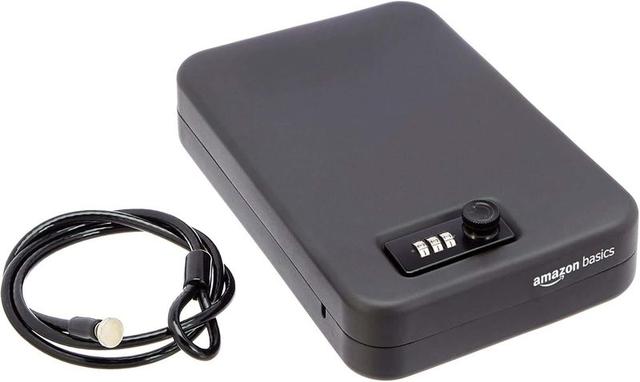
The beeper is annoying. I've had buyers tell me they unscrewed the PCB, poked holes in the speaker, desoldered it, or covered it with electrical tape. I've done the electrical tape thing myself on the Amazon Basics Drawer Safe.
Here's the trade-off: the beep tells you when someone's opening your safe. It's a security cue. It's also the reason multiple buyers disabled the speaker entirely. If you disable it, check your warranty first, and don't blame me if you break something.
The Amazon Basics Drawer Safe is a different beast. It's a drawer, not a box, so it slides into a desk or cabinet. It's cheap, around ~$60 to ~$80, and it's a security box, not a real safe. A burglar can carry the whole thing away if it's not bolted down. But for a dorm room or an office, it stops sticky fingers and curious roommates. That's what it's for.
The SentrySafe 1170 and the QAP1E
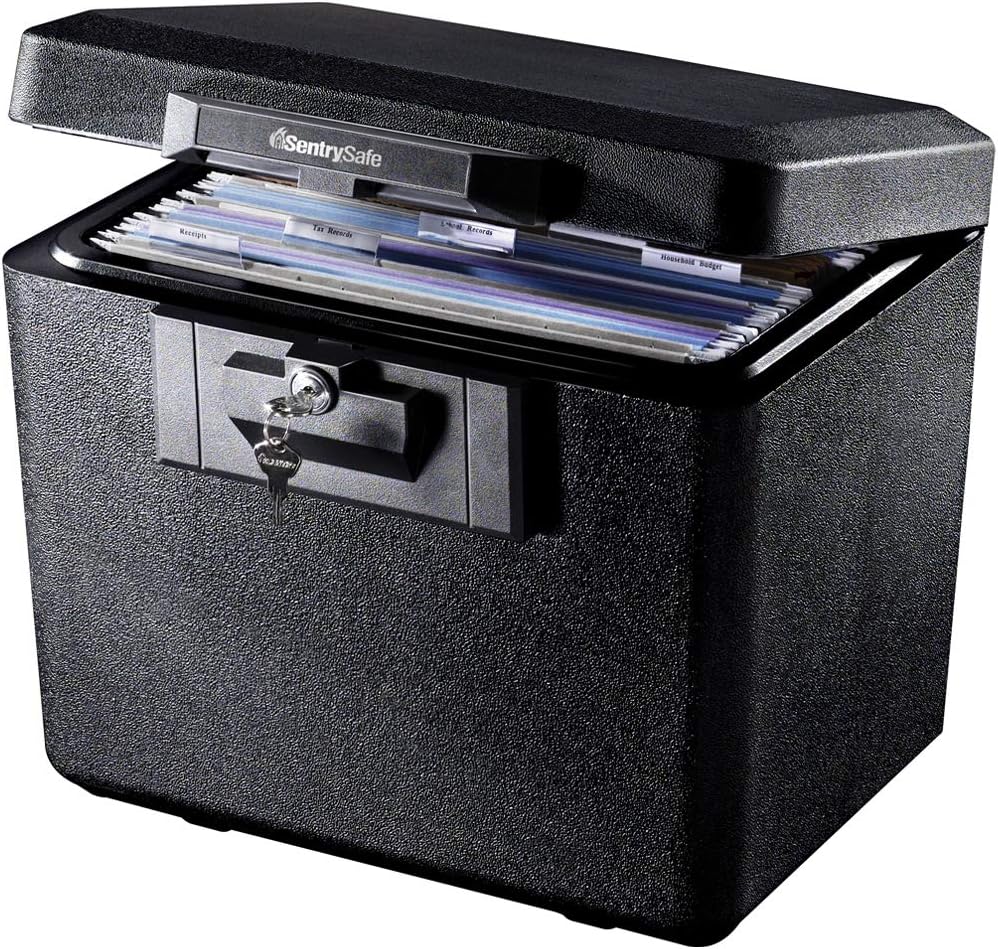
The SentrySafe 1170 is the older, simpler version of the file box. It's got a key lock instead of a keypad, which means you can't forget the combination, but you can lose the key. One buyer wrote in January: "The key is flimsy and bent on the first use." That's a real complaint. The key isn't reinforced, and it will bend if you push on it the wrong way. Don't push on it the wrong way.
The QAP1E is the newer iteration. It's got a digital keypad and a backup key, which sounds better until you realize the backup key is stored inside the safe in some models. That's how you end up calling a locksmith.
I've seen it a hundred times. Tape the battery door as insurance, and don't store the backup key inside the safe.
Store it somewhere you'll remember, but not in the same room as the safe.
Should You Buy It?
Should you buy the SentrySafe Fireproof/Waterproof File Box? Yes, if you have documents you'd cry over losing and you're willing to bolt it down and organize it. No, if you're going to throw everything in loose and forget the combination. The safe is only as good as the system around it.
The Amazon Basics Drawer Safe is worth it if you need something small, cheap, and unobtrusive for a dorm or office. Just know that it's a security box, not a vault. Bolt it down or don't bother.
The Stack-On Wall Safe is the best budget option for renters who can't bolt into concrete. It hides between studs and keeps documents out of sight. The lock is basic, and the fire rating is minimal, so keep the fire-resistant bag for the irreplaceable stuff.
What I'm Testing Next
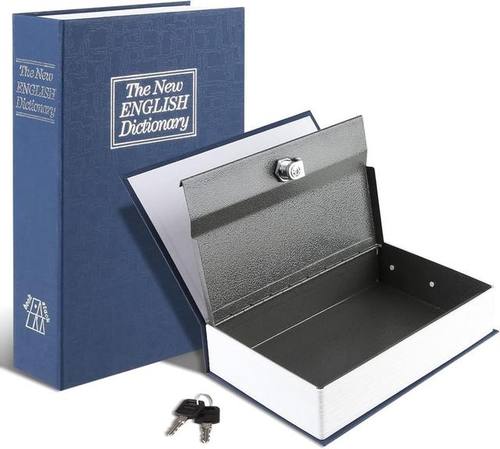
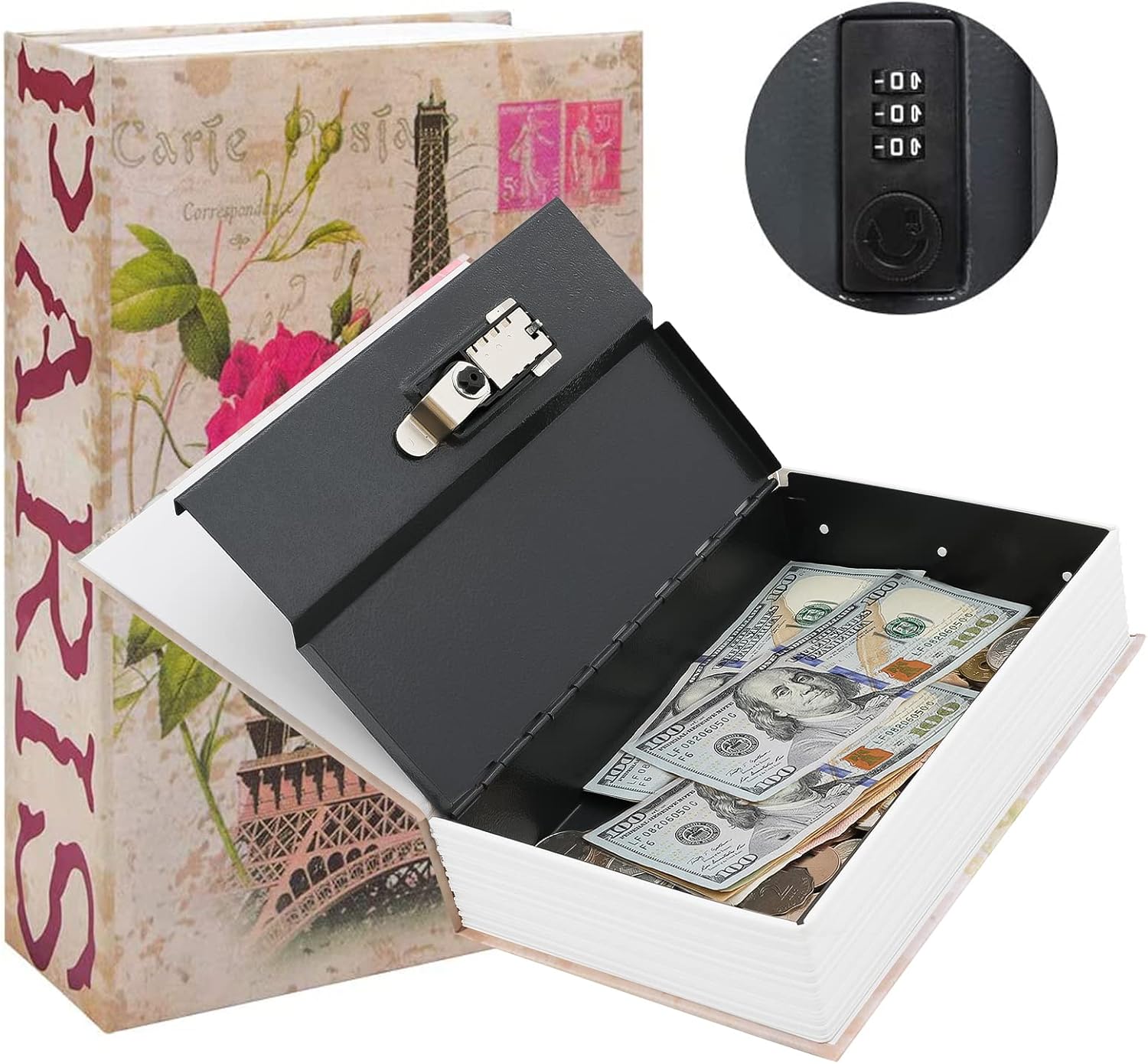
I've got a Diversion Book Safe and a Metal Booksafe with a key lock on my bench right now. Book safes are the classic hiding spot, and they're a terrible place for documents: no fire rating, no water seal, and a thief who knows what they're looking for will find one in seconds.
But I want to see if the combination lock on the Diversion model is any better than the key lock on the Metal Booksafe.
I'll update this when I've dropped them both a few times. Rusty's already claimed the drop pad.