How To Recover A Lost Safe Combination
I've been a locksmith for 25 years, and I've opened more safes than I can count for people who forgot their combination. Some of them cried. Some of them hugged me. One guy offered me his truck. The truth is, most of the time, I don't need to drill your safe.
I don't need to torch it. I just need to know how the lock works and have a little patience. That's what this guide is about: how to recover a lost safe combination without wrecking your safe, and when to just give up and call someone like me.
The fastest way to recover a lost combination is to bypass the lock entirely, and for most consumer safes under ~$200, that means using the backup key or manipulating the lock, not drilling. I'll walk you through the order of operations I use in my shop, what you can do at home, and which safes are worth the effort.
Pros
- You can often get back in without any tools beyond a paperclip and a tension wrench.
- The backup key is the single most reliable bypass on budget safes.
- Lock manipulation takes time, but it leaves zero damage.
Cons
- The backup key is useless if you stored it inside the safe.
- Electronic keypads fail, and the override is often a cheap tubular key that bends.
- If you drill wrong, you've turned a ~$100 safe into a ~$100 paperweight.
Compared to Calling a Locksmith
I charge ~$150 to ~$250 for a house call, depending on how far I have to drive and how stubborn the lock is. A new Amazon Basics safe runs about ~$60. The math matters. If your safe cost less than my service call, you're better off buying a replacement and a quality pair of bolt cutters to get the old one open.
But if the safe holds irreplaceable documents, or if it's bolted to a stud, the cost of a locksmith is cheap insurance.
I've opened safes for people whose marriage license was inside, and they didn't blink at the bill.
The Backup Key: Your First Move
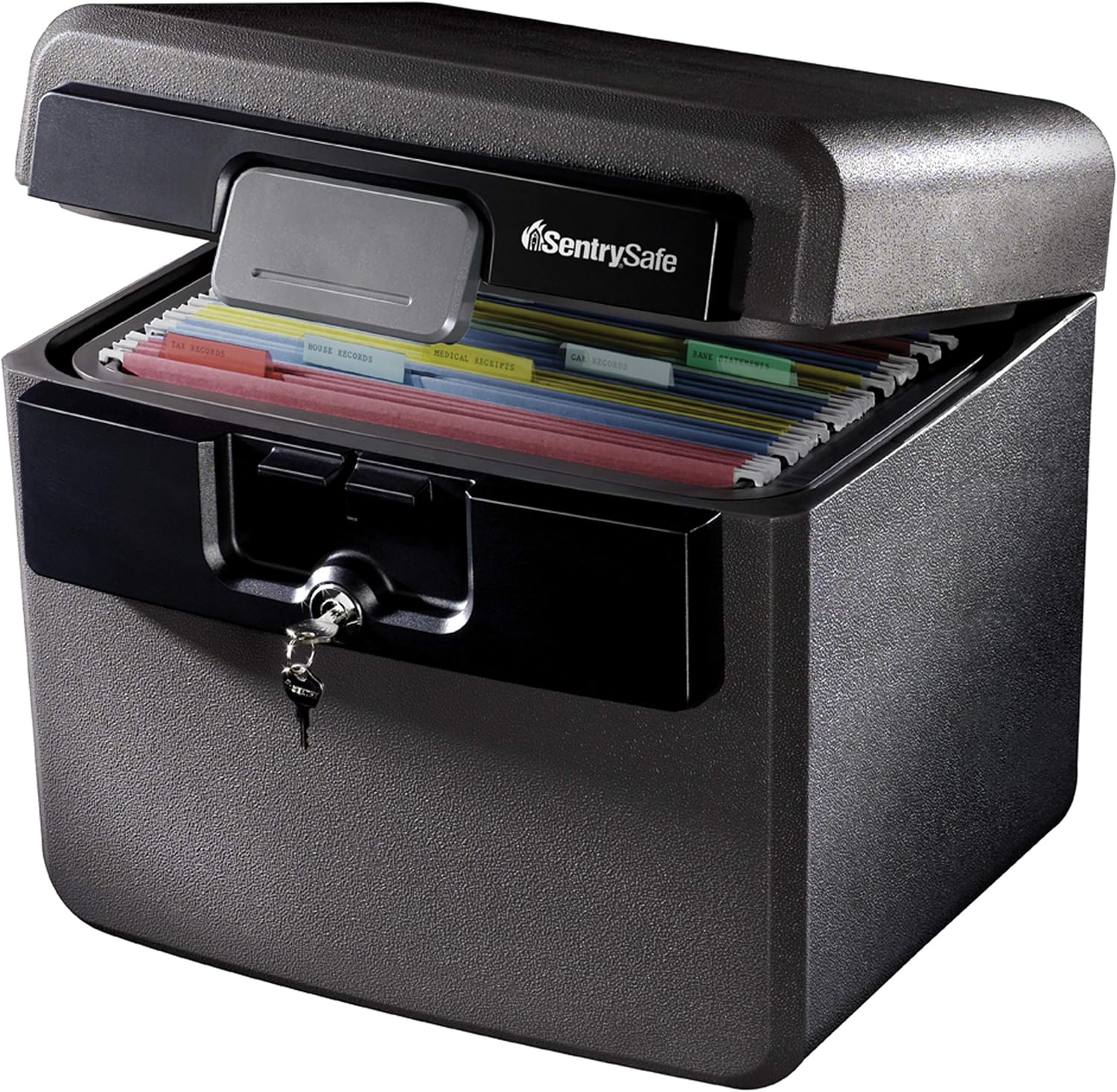
Before you do anything else, find the backup key. It's usually a tubular key or a double-sided wafer key that fits a lock hidden behind a panel or under the keypad. On the SentrySafe Fireproof/Waterproof File Box, the key is a flat steel wafer key that slides into a lock on the front. On the SentrySafe 1170, it's a tubular key that fits a lock hidden behind a plastic cover.
Here's the thing: that key is the single most reliable way back into most consumer safes. I've picked the electronic lock on the Amazon Basics safe with a paperclip, but the backup key is faster. I've seen buyers who lost the key and tried to drill the lock, and they made a mess.
The key is reinforced on some models and bends like a wet noodle on others. The SentrySafe 1170's key is decent.
The key on the Stack-On Wall Safe is flimsy and will bend if you push on it the wrong way. Don't push on it the wrong way.
If you don't have the key, check the manual. Most manufacturers print the key code on a card or on the back of the manual. If you have the code, you can order a replacement key from the manufacturer. It takes a week or two, but it's a lot cheaper than a locksmith.
Lock Manipulation: The Quiet Art
If the backup key is gone, the next move is manipulation. This is what I do for a living, and it's a skill you can learn. The idea is simple: the lock's wheels and drive cam have tiny imperfections in their tolerances. You can feel them through the dial if you're patient. You're not guessing the combination; you're feeling for the contact points where the wheels touch the drive cam.
Here's a basic version of the technique:
- Set the dial to zero. This is your reference point.
- Apply light tension to the dial. I use a small screwdriver or a tension wrench against the dial's spindle. The goal is to feel for a "sticky" spot where the dial resists.
- Turn the dial slowly. You're looking for a spot where the dial feels like it's dragging or binding. That's a contact point.
- Map the contact points. Write down every spot where you feel resistance. On a three-wheel lock, you'll typically find three or four contact points.
- Narrow it down. The contact points that fall within a few numbers of each other are likely the wheel gates. The numbers that are isolated are the drive cam.
This takes practice. I've been doing it for decades, and I can open a cheap lock in 20 minutes. A beginner might spend an afternoon. You can buy a practice lock for under ~$50 and learn the feel. But for a one-time emergency, you're better off with the backup key or a locksmith.
The Battery Door Problem
Electronic safes have a specific failure mode that locks people out: the battery compartment door falls off inside the safe. I've seen it on the SentrySafe QAP1E and on the Amazon Basics Drawer Safe. The door is held in by a small plastic tab, and when it breaks, the batteries drop into the safe, and the keypad goes dead.
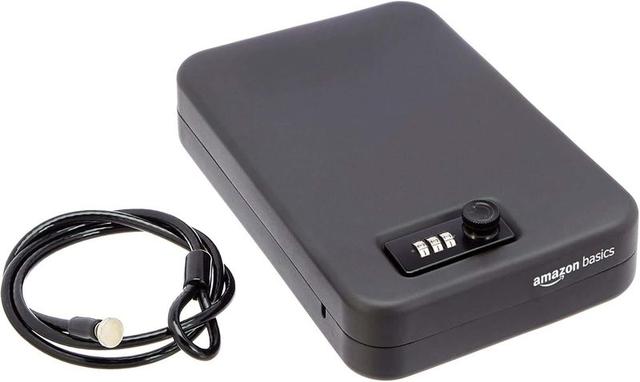
If that happens, there's a bypass. Most electronic safes have a hidden mechanical key override. On the SentrySafe QAP1E, the override is a small lock hidden behind the keypad. You can pry the keypad off with a flathead screwdriver, and there's a tubular keyhole underneath. The key is the same one that came with the safe. If you don't have it, you're drilling.
The other fix is prevention. Tape the battery door shut before you close the safe. I've done this on my own Amazon Basics safe. It's a 2-cent insurance policy against a design flaw.
Fire Ratings and the Fine Print
If you're dealing with a fire-rated safe, there's a temptation to think the lock is equally robust. It's not. The SentrySafe Fireproof/Waterproof File Box is rated for 30 minutes at 1550 degrees Fahrenheit.
That's a real rating, measured by Underwriters Laboratories. But the lock is a simple wafer lock that I can pick in under a minute.
The fire rating protects your documents from heat, not from a thief with a paperclip.
There's a buyer story that sticks with me. A verified buyer, J.D., wrote on March 14 about losing his house in a total-loss fire. Firefighters brought the safe out of the rubble. It still opened. The keypad worked.
Four handguns, ammo, and paperwork came out intact. That's remarkable, but it's luck as much as engineering.
The fire rating is measured in minutes at a specific temperature, not in "your house burned to the ground." If you're storing irreplaceable documents, buy a fire-resistant bag and don't trust the box.
The Diversion Book Safe: A Different Kind of Problem
The Diversion Book Safe with the Combination Lock is a different beast. It's a hollowed-out book with a small combination lock on the spine. The combination is three numbers, and the lock is tiny. I've opened these with a paperclip and a tension wrench in about 10 minutes. The lock isn't hardened, and the body is cardboard and cloth.
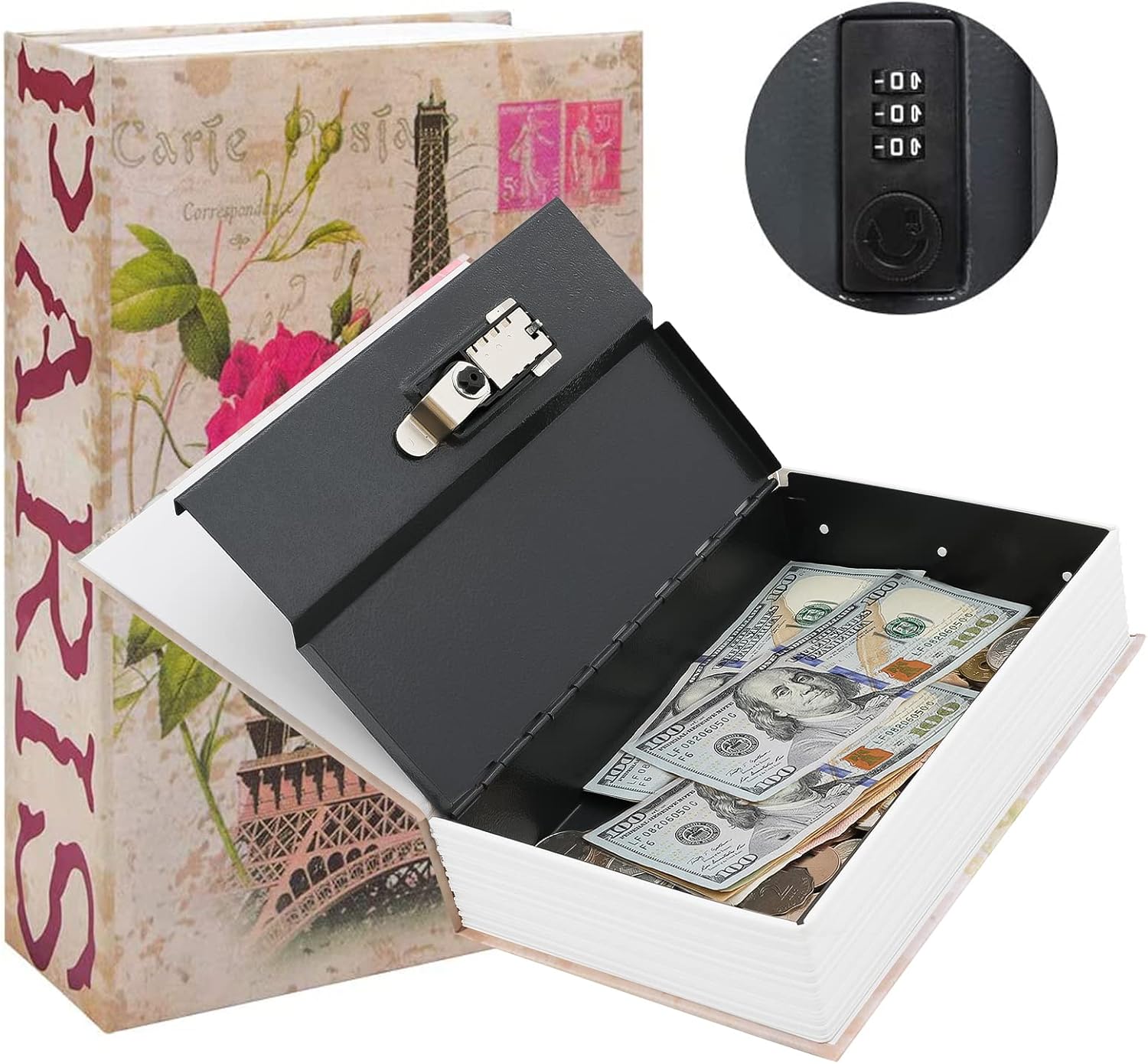
If you lose the combination to one of these, your options are limited. The lock is too small to manipulate easily, and drilling it ruins the book. Your best bet is to try common combinations: 0-0-0, 1-2-3, or the last three digits of your birthday. If that fails, cut the spine open with a utility knife. The contents are accessible, and the book is a loss anyway.
The Metal Booksafe with the Key Lock
The Metal Booksafe with the Key Lock is a step up. It's a metal box disguised as a book, and it uses a standard key lock. If you lose the key, you can pick it with a paperclip and a tension wrench. The lock is a basic pin tumbler, and it's not a challenge. I've opened these in under five minutes.
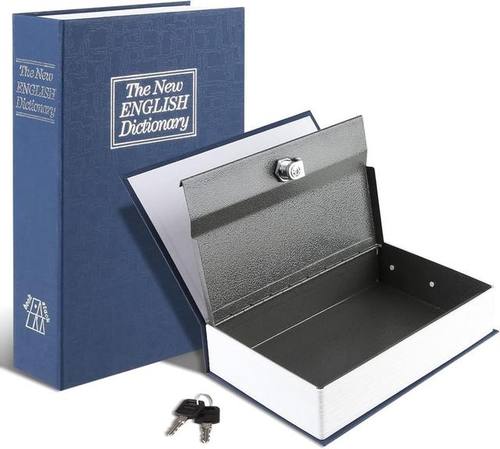
If you can't pick it, you can drill the lock. The body is thin sheet metal, and the lock is a standard cam lock. Drill through the keyway, and the cam will release. The safe is ruined, but the contents are accessible.
The Stack-On Wall Safe
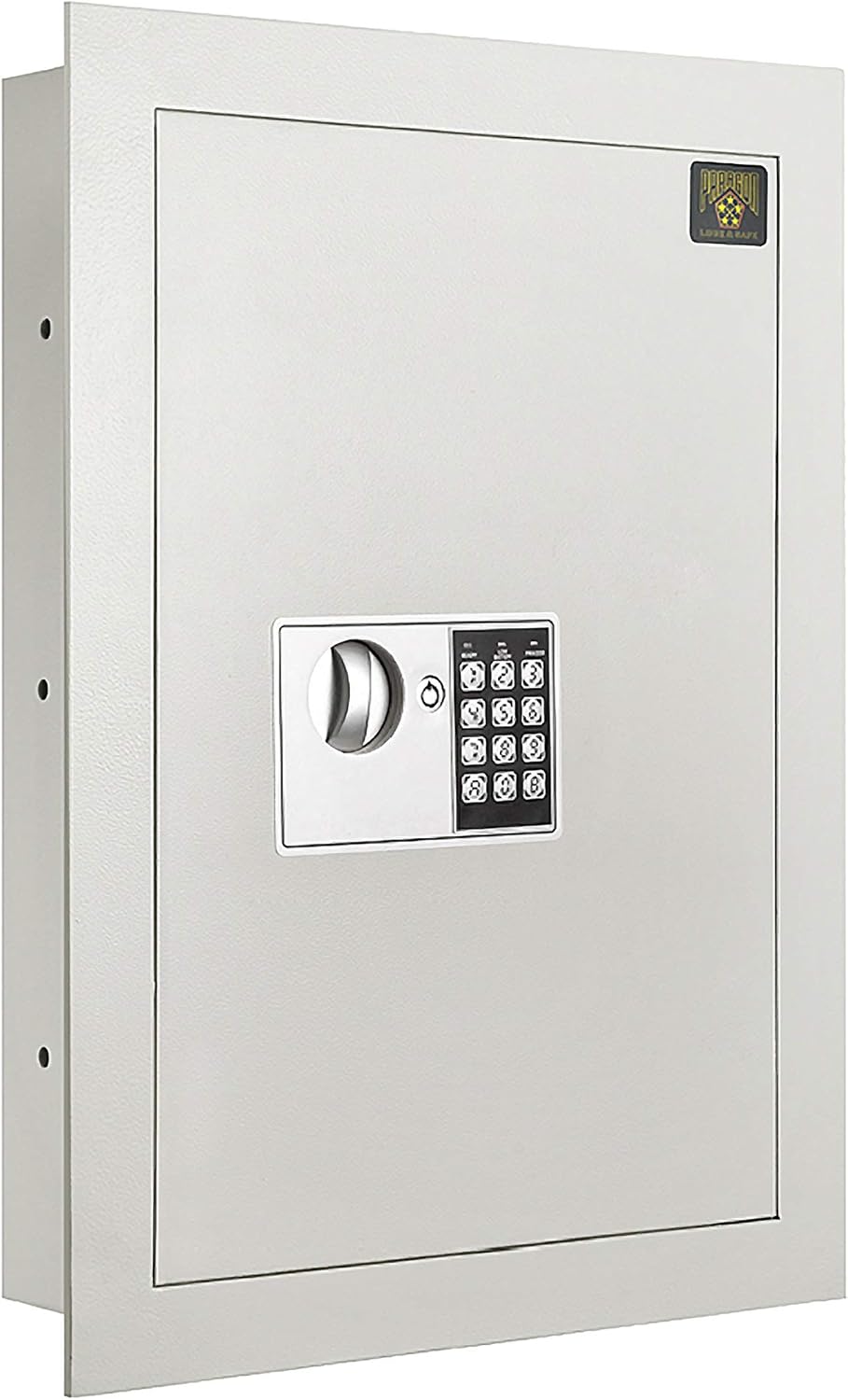
The Stack-On Wall Safe is a recessed wall safe with a mechanical combination dial. This one is actually worth manipulating. The lock is a standard three-wheel combination lock, and if you have the time, you can feel your way through it.
The key here is patience. The dial has a bit of play, and the contact points are subtle. I've opened these in about 30 minutes. If you're not comfortable with manipulation, you can drill the lock. The lock is mounted on a thin metal plate, and a 1/4-inch drill bit through the center of the dial will destroy the lock. The safe is a loss, but you're in.
Should You Buy a Safe with a Mechanical Dial?
If you're in the market for a new safe and you're worried about losing the combination, buy a mechanical dial safe. The Stack-On Wall Safe is a good example. Mechanical dials don't have batteries, they don't have keypads, and they don't have backup keys that bend. They're also easier to manipulate if you forget the combination. An electronic keypad is convenient, but it's a failure point.
That said, the SentrySafe 1170 is a solid electronic option. It has a backup key that's reinforced, and the keypad is reliable. The weight is 39 pounds, which surprises everyone. It's heavy enough to feel secure and heavy enough to be a pain to move.
One buyer rejected a twice-as-expensive Sanctuary safe for being too heavy, then bought the SentrySafe and warned others about the weight.
The weight is both a feature and a drawback.
What I'm Testing Next
I've got a new batch of sub-~$200 safes on the drop test rig, including the Amazon Basics Drawer Safe and the SentrySafe QAP1E. I'm also keeping an eye on Amazon Warehouse Deals. One buyer got a "refurbished" safe they couldn't tell from new, and that's a viable source for the budget-minded. I'll update this guide if anything changes.
Bottom line: start with the backup key, try manipulation if you have the patience, and call a locksmith if the safe is worth more than the service call. And for the love of God, don't store the backup key inside the safe. That's how you end up calling me.