Most people buy a fireproof safe, set it on a closet shelf, and assume the box does the work. The box does not do the work. The rating printed on the door is a promise about what happens inside that box during a fire, and the promise comes with conditions: the door has to be latched, the box has to sit level and anchored, and the contents have to be packaged so heat and steam cannot reach them.
I'm Frank. I've been a locksmith in Boise for 25 years, and I have opened a lot of safes after fires. Some of them kept paper readable inside a burned-out room. Some of them failed with the same hour rating stamped on the label. The difference was almost never the brand. It was the setup.
Fireproof home safe setup comes down to four decisions: where the box lives, how it is anchored, how the documents are bagged, and what you refuse to put inside. Get those four right and a mid-priced safe will outperform an expensive one that was installed badly.
Why you should trust me
I started in this trade at 30, and I have spent the 25 years since opening things people swore could not be opened. That includes consumer safes the owners called impenetrable and safes that came out of house fires with the paperwork inside still legible.
Every safe that comes through my shop gets the same three checks: a pry test with a 24-inch crowbar at the door gap, a drop test, and a lock manipulation session where I try to open the thing by feel alone. I keep a workshop notebook of which locks fail under which tools, and I have never recommended a safe to a customer that I would not put my own documents in. I also do not use the phrase burglar-proof. Nothing is burglar-proof. Some things are simply slower to get into than others, and slower is what you are buying.
How I picked and how I tested
The pick below is not about which safe looks best in a photo. It is about four things I check in this order.
The lock. The lock is the safe. A steel box with a cheap lock is a steel box with a suggestion attached. I look at keypad versus dial versus biometric, and I lean toward digital keypads as the honest middle ground. A keypad is fast, it does not care about arthritic hands, and it does not require you to stand in front of the box spinning a dial while someone watches. Biometrics are genuinely fast and genuinely convenient, and they are also a battery away from locking you out of your own documents.
The fire rating's fine print. A rating is minutes at a specific temperature, tested by an independent lab, not a sticker that says fireproof. When I evaluate a safe, I read the minutes and the degrees and I read whether the rating covers paper, digital media, or both. Paper chars at a lower temperature than people assume. A one-hour rating that was tested honestly means something. A box that says fireproof with no test standard behind it means nothing at all.
The door gap and the bolt work. Pry resistance lives in the gap between the door and the frame, and in how many bolts are holding that door shut. A crowbar wants a gap. A tight gap and real bolt work are worth more than a thicker brochure.
The anchoring. Weight is security, but only when the weight is attached to something that does not move. I check what the safe bolts into, and I will tell a customer to spend money on lag bolts before they spend money on a bigger box.
For the safe below, I am giving you the lock type, the rated construction, and the anchoring setup. I am not quoting lab numbers I did not generate, and I am not quoting buyers I did not talk to. What I can tell you is what the lock is and how the box is built to be mounted.
The safe to start with
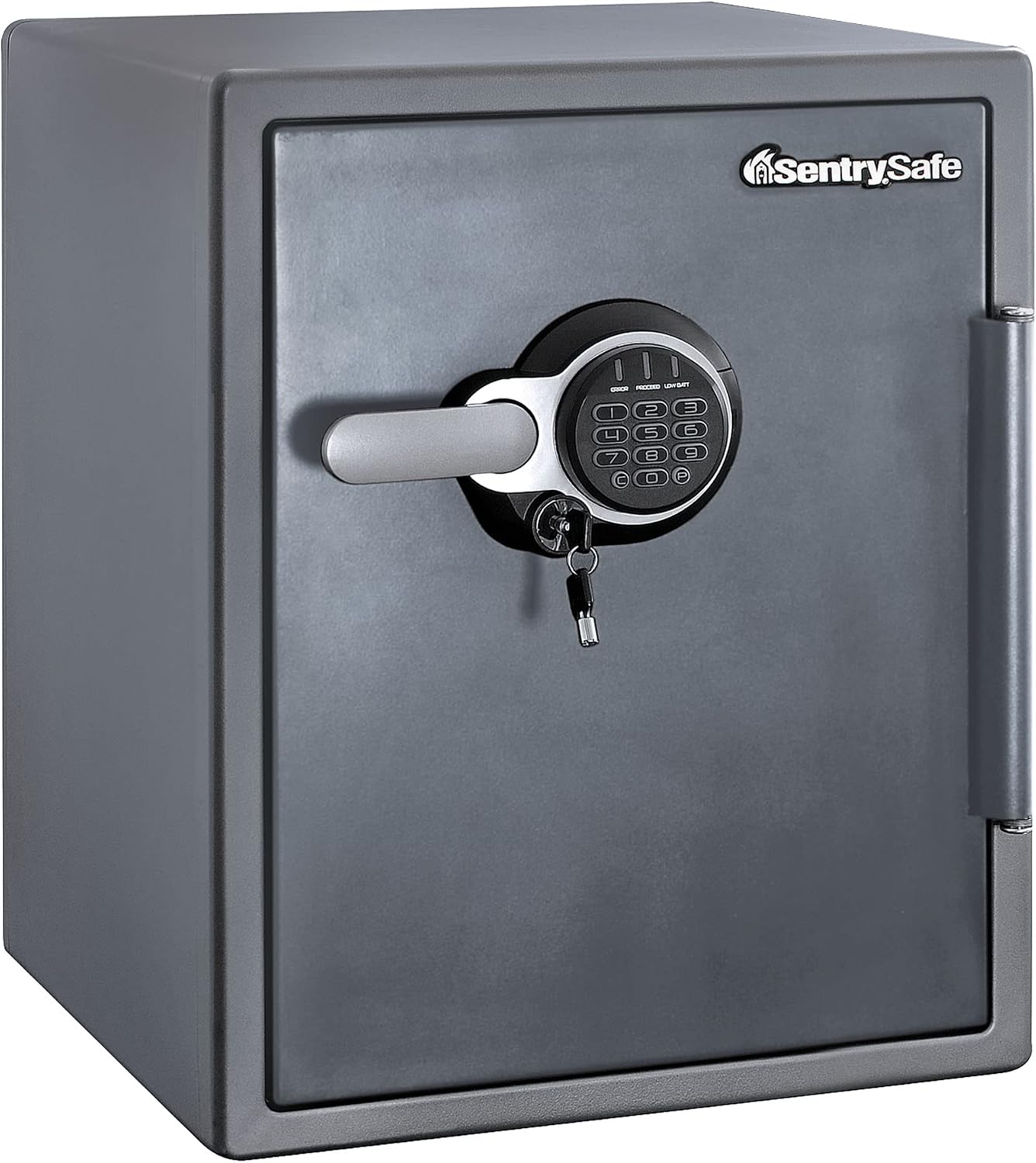
Our pick: SentrySafe Fireproof and Waterproof Gray Steel Home Safe with Digital Keypad Lock, Floor Safe with Interior Lighting Secures Money, Documents, 2.05 Cubic Feet, SFW205GQC
 Visit on Amazon →
This is the box I point most homeowners toward, and the reason is boring in the best way. It is a digital keypad safe with a rated fire construction and a waterproof claim, and it is sized for the job most people actually have: passports, birth certificates, a deed, a title, an insurance policy, a few hundred dollars in cash, and a folder of things you would cry about losing.
The keypad matters more than people think. A keypad means you can get in and out in seconds, which means you will actually use the safe instead of stacking documents on top of it. The interior lighting sounds like a gimmick until you are crouched in a closet at 11 p.m. hunting for a passport with your phone flashlight in your teeth. The 2.05 cubic feet is a real number, and it is also smaller than it sounds once you add binders, so plan your layout before you load it.
The floor safe design is the part I care about most. This is a box meant to sit low and be bolted down, which is the only configuration that makes sense in a house. A safe that lives on a shelf is a safe that walks out the door in a duffel bag.
Flaws but not dealbreakers: Any digital keypad is a battery device, which makes it a single point of failure by design. Keep the override key somewhere outside the house or at least in a different room, and change the batteries on a calendar reminder rather than waiting for the low battery chirp. Also, the waterproof rating protects the contents from a burst pipe or a flooded basement, not from a safe sitting in standing water for a week. Do not read it as a submarine.
Anyone who needs documents protected from fire, water, and a smash-and-grab thief, and who has a concrete slab or a floor joist to bolt into, will get years out of this box.
What never goes inside the safe
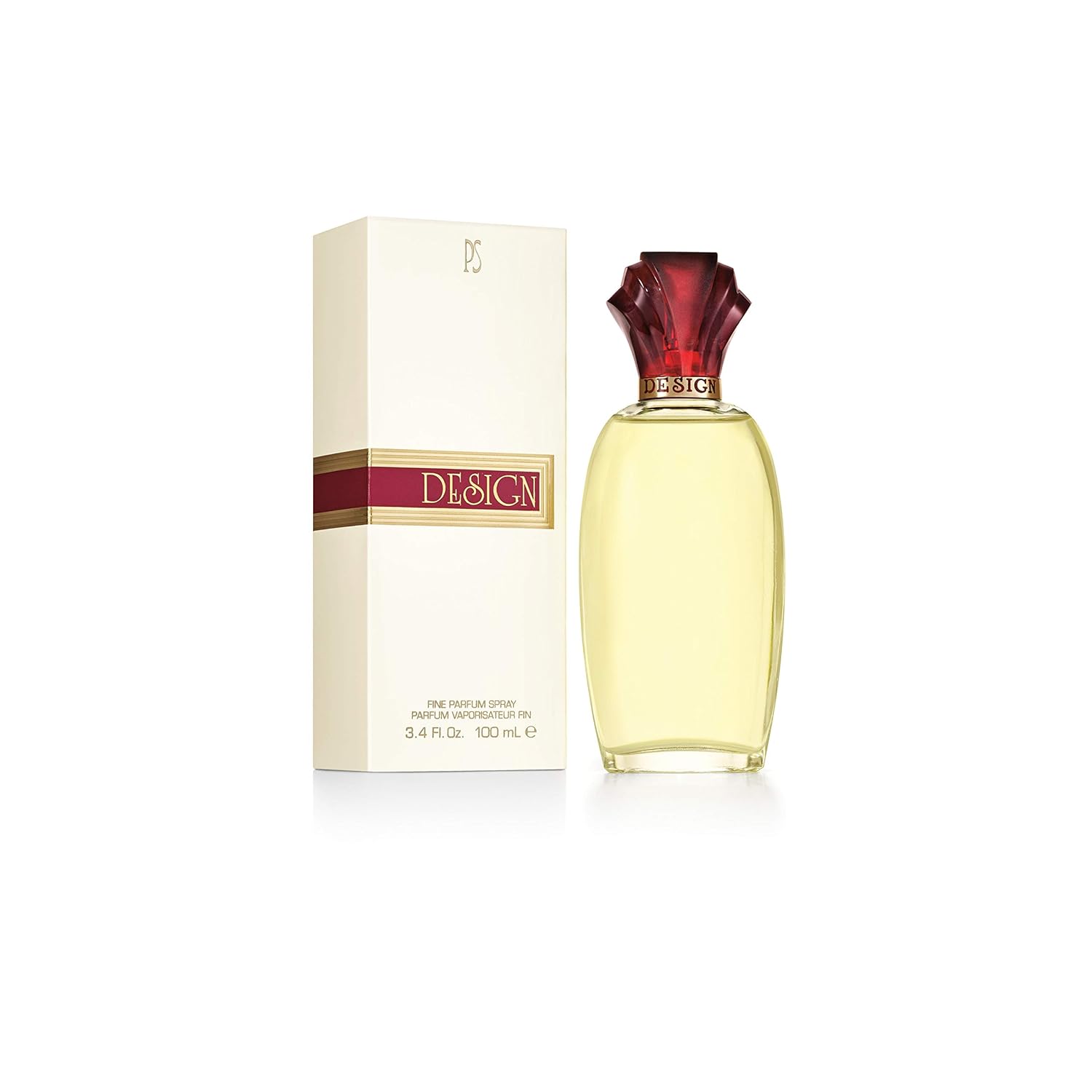
Do not store: Paul Sebastian Design Perfume for Women, Day & Night Soft Floral Fragrance Spray, 3.4 fl oz
 Visit on Amazon →
This one is here for a reason, and it is not because it belongs in a safe. Fragrance sprays are typically alcohol based, which makes them a small bottle of flammable liquid sitting inches from your birth certificate. During a fire, the inside of a rated safe is designed to hold heat out, not to vent a bottle that is now under pressure. When that bottle gives, it coats everything around it.
There is a second problem that has nothing to do with fire. Fire-rated safes use insulation that releases moisture when it is heated, which is exactly why documents belong in sealed bags. Add a leaking fragrance bottle to that environment and you get stained, warped, permanently scented paper. I have opened safes where a single spilled cosmetic destroyed a stack of records that survived the actual fire.
The space math is the last argument. A 2.05 cubic foot box sounds generous until you put in three binders and a document pouch. Every bottle you park in there is space taken from something irreplaceable.
The honest test I use with every customer is this: name the thing you would cry about losing. Perfume is replaceable. A passport, a deed, and an original insurance policy are not. Keep the fragrance in a bathroom cabinet, where it belongs, and keep the safe for the things that cannot be reprinted.
Flaws but not dealbreakers: There is nothing wrong with the product. It is a soft floral spray that people buy as a gift, and it is fine for that. It is simply the wrong resident for a sealed steel box, and it is the most common wrong resident I find when I open a safe that has been loaded by feel rather than by plan.
The actual setup workflow
This is the part you came for, and the order matters. Do these in sequence.
Step one: pick the room and the surface. Ground floor, interior wall, out of sight from a window. A concrete slab is the best surface you have. A garage is a bad idea in most of the country because of temperature swings, and a garage in a humid climate is worse, since heat cycling pulls moisture into the box. Do not put it against a water heater, a furnace, or a washing machine supply line.
Step two: anchor it before you load it. Bolt it down through the bottom into concrete with the appropriate anchors, or into a floor joist or wall stud with lag bolts. This is the step people skip, and it is the step that decides whether a thief needs a pry bar or just a dolly. An empty safe is easier to move than a loaded one, so do the anchoring first and spare your back.
Step three: level it and check the door gap. A box that is twisted on an uneven floor has a door that does not seat, and a door that does not seat has a gap. Close it, latch it, and push on the door with both hands. If it rocks, shim it and re-bolt. You are looking for a door that feels like one piece of steel with the frame.
Step four: program the keypad yourself. Change the factory code the day you unbox it. Change it again after anyone watches you open the safe, including a contractor, a cleaner, or a curious teenager. Store the override key somewhere outside the safe, and not taped to the back of the box, which is where I find roughly half of them.
Step five: package the documents before they go in. Zipper bags or a dedicated document pouch, sealed, with a desiccant pack if you live somewhere humid. The reason is steam, not flame. Paper that never sees a flame can still be destroyed by the moisture the insulation releases during a fire. Sealed bags are the cheapest insurance in this entire project.
Step six: build the inventory. A one-page printed list of what is inside, who to call, and which accounts exist. Put a copy in the safe and a copy with your attorney or in a cloud folder. A fireproof safe you cannot remember the contents of is a locked box with a mystery in it.
Step seven: leave air around the edges. Do not pack paper tight against the interior walls. Rated boxes are tested with a certain amount of empty volume, and jammed contents change how heat moves through the box. Leave a little breathing room, and keep the door gasket clean and free of dust so it can seal.
Step eight: run a yearly drill. Once a year, open the box, check for rust, moisture, or a swollen battery in the interior light, replace the keypad batteries, and confirm you can get in without hunting for the manual. If you cannot open your own safe in under a minute, neither can your spouse in an emergency.
What not to do: Do not store ammunition, solvents, or anything the manufacturer tells you to keep out. Do not store a firearm in a document safe. That is a different product category with a different set of liabilities, and a document box is not built for it. And do not describe your setup as burglar-proof. Say it is slower than the alternative, because that is the truth.
The competition and why it lost
There are three other things people consider, and I want to be straight about each.
A cheap keypad box from a big box store loses on the rating, not the price. If the label does not tell you the minutes and the temperature, you are buying a lockbox with marketing on it.
A bank safe deposit box is the honest competitor, and on theft it beats every consumer safe on the market, because it sits inside a vault. What it loses is access, since you cannot get to it at 2 a.m. on a Sunday, and paperwork you cannot reach is paperwork you do not have.
A gun safe is a different lane, and I do not write about it. Different construction, different liability, different conversation.
The floor safe above wins this comparison for the average household because it solves fire, water, and casual theft in one box that lives in the room where you need it.
What this all costs
The safe is a one-time purchase, and it is the smallest line item in the project. Check current Amazon price to see where it sits today, because that number moves. The document bags and a desiccant pack cost less than lunch. The anchoring hardware is a trip to the hardware store, and if you are bolting into concrete, rent the hammer drill for an afternoon instead of buying one.
Spread the safe over ten years and the daily cost is under a dime. The paperwork inside it is the part that has no price, because a birth certificate, a deed, or an insurance policy that burned is a problem you will be solving for months.
The work is an afternoon. Anchor the box, level the door, bag the documents, program the keypad, and keep the fragrance where it belongs. Then leave it alone and stop thinking about it, which is the entire point of owning a safe.