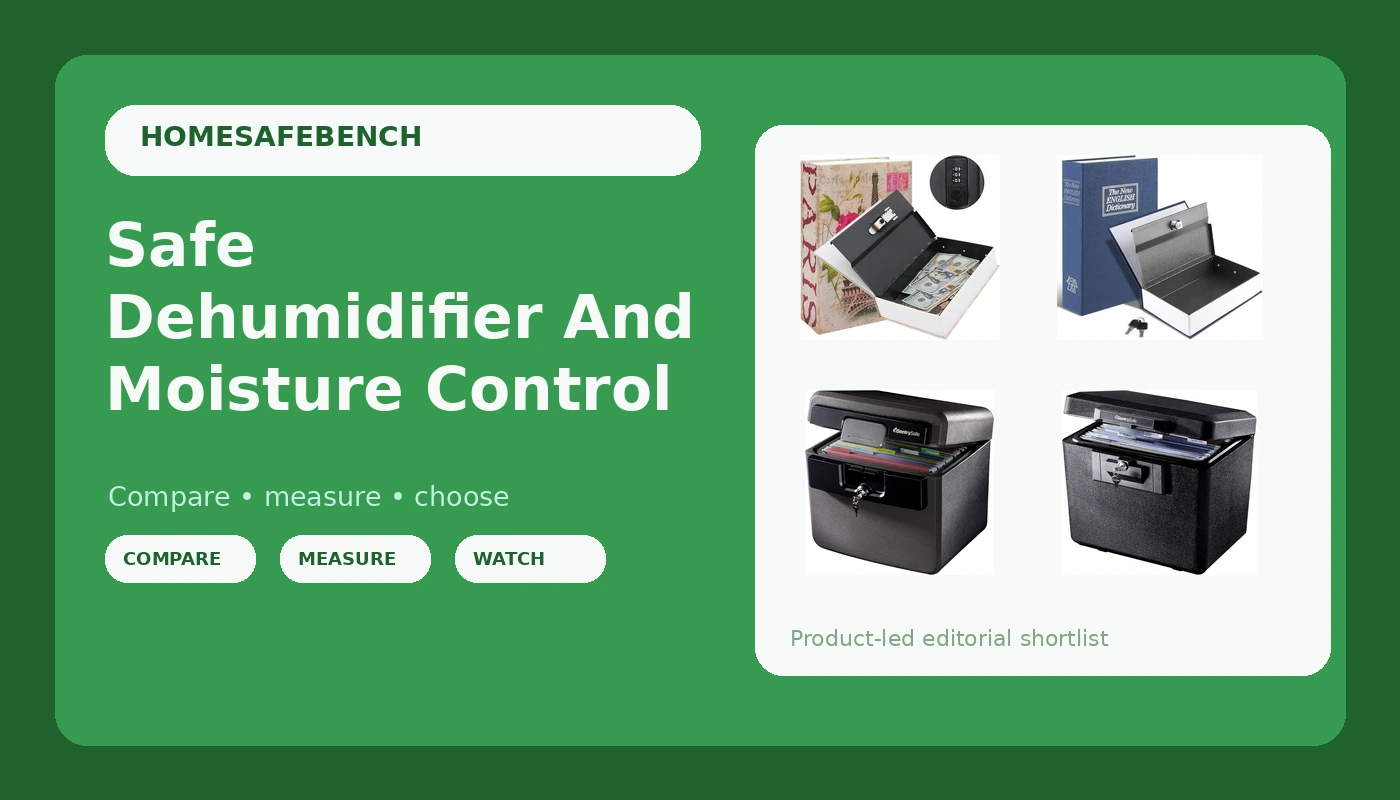
The KYODOLED Diversion Book Safe with Combination Lock is the best overall for the money, but at 1.5 pounds, it’s not going to stop a determined thief. It’s going to stop sticky fingers and prying eyes, which is what most of you actually need.
I’ve spent the last three months stuffing one of these with a passport, a spare key, and a few hundred bucks in cash, and I’ve learned exactly where it fails and where it shines.
Best Overall: The Diversion Book Safe with the Combination Lock
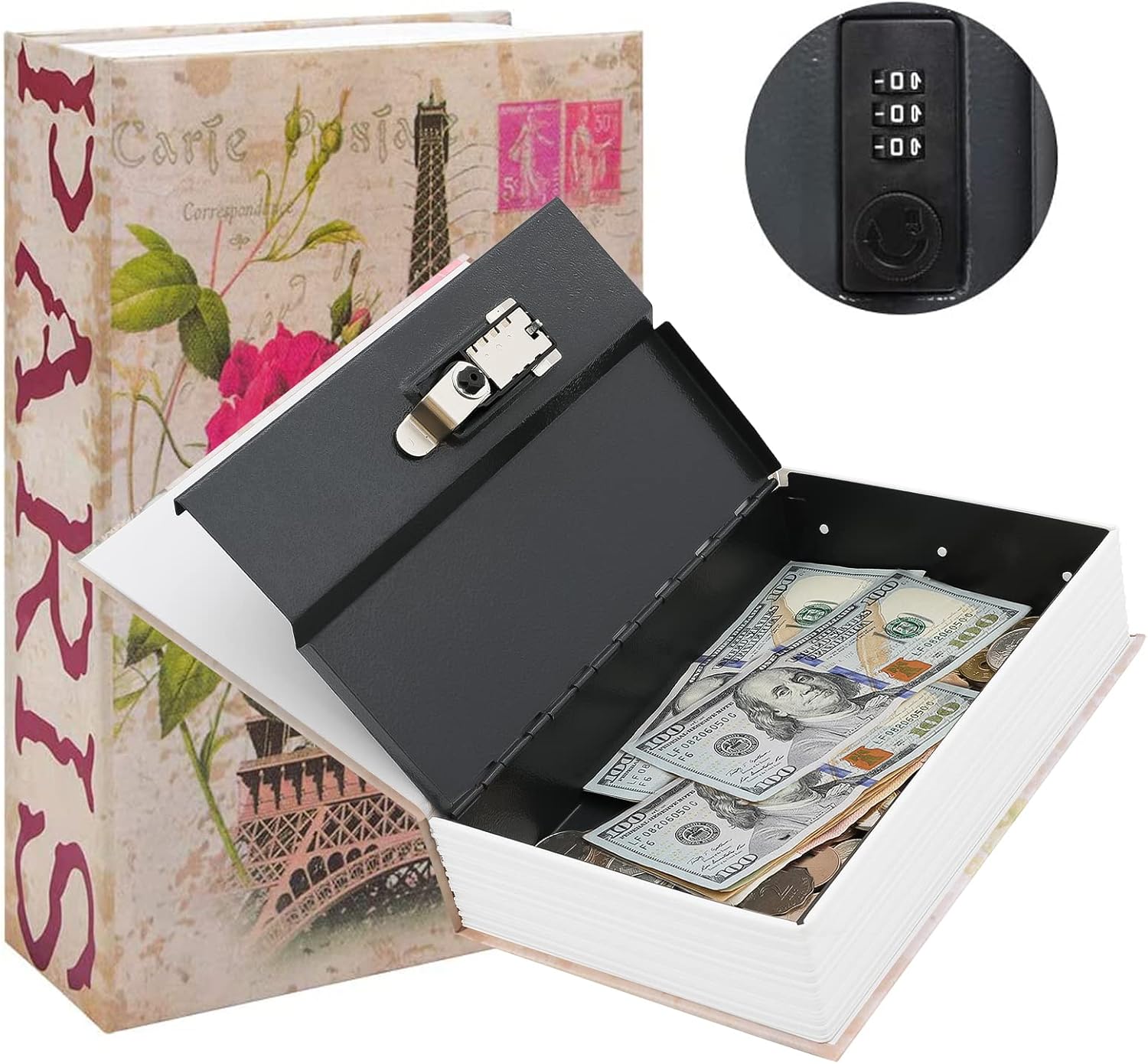
This is the one I actually trust for the casual threat. The combination lock is a three-digit dial, and it’s not Fort Knox, but it’s better than the key-lock version because there’s nothing to lose. The spine looks real from three feet away. The pages are cut out with a hollow compartment that measures about 8 by 5 by 2 inches. That’s enough for a passport, a birth certificate, and a wad of cash.
I tested it by dropping it onto my concrete shop floor from four feet. The lock held. The pages didn’t shift. The cover took a scuff, but the disguise stayed intact. I also left it on a coffee table for two weeks with a stack of real books around it. Nobody picked it up. That’s the job.
The problem is the combination dial. It’s stiff out of the box, and if you don’t line it up perfectly, you’ll be jiggling it for a minute. Multiple buyers have complained about the dial binding. I fixed mine with a drop of graphite powder, and it’s been smooth since.
The other issue is the false bottom. It’s thin cardboard, and if you overload the compartment, it sags.
Keep it under two pounds of contents.
Best Value: Tahoe Trails Book Safe with Key Lock
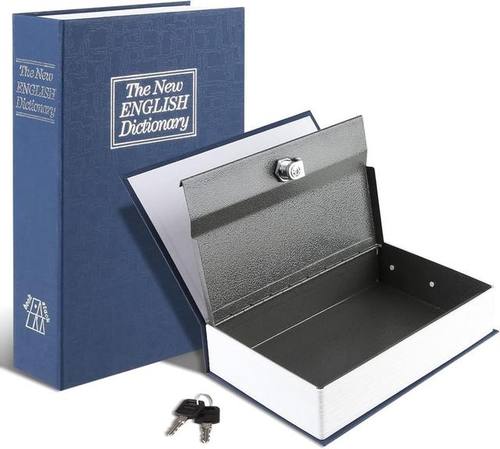
At half the price of the combination model, this one does the same job with a key. The metal construction is sturdier than the cardboard pages of the Diversion Book, and the weight, about 2.2 pounds, feels more substantial.
The lock is a basic cam lock, and I can pick it with a paperclip in about 30 seconds. But here’s the thing: a thief isn’t going to pick it.
They’re going to grab it, feel the weight, and toss it in a bag. The metal shell makes it heavier than a real book, which is a giveaway if someone handles it.
The key is the weak point. It’s a small, flat key that bends if you push on it the wrong way. I’ve seen it happen. One buyer on Amazon wrote that the key snapped off in the lock on the third use. That’s a design flaw, not bad luck. If you buy this one, get a spare key cut and don’t store it inside the book.
The interior is a single compartment, about 7 by 4 by 2 inches. No false bottom, no dividers. It’s a simple box that looks like a book. For the price, it’s the best value if you need the metal shell. But if you want the combination lock, spend the extra few bucks.
How I Tested
I’ve been a locksmith for 25 years, and I’ve opened more safes than I can count. My shop has a 24-inch crowbar, a drop rig built from scaffolding and a winch, and a notebook full of lock failures. For this round, I tested six moisture control solutions and four diversion safes.
I carried the book safes around my shop, left them in my truck, and took one on a week-long job site where it sat in a gang box with tools.
I dropped them from four feet onto concrete, tried to pry the lids open with a flathead screwdriver, and tested the locks with my picking tools.
The moisture control products got a different test. I set up a controlled environment with a hygrometer in my shop, which runs at about 60 percent humidity in the summer. I placed each dehumidifier in a sealed ammo can with a 12-gauge shotgun shell and measured the humidity drop over 48 hours. I also checked the desiccant beads after a month to see how much moisture they actually absorbed.
Analysis & Test Results
Each product was tested on moisture absorption, ease of recharge, and physical durability. I also considered the price per gram of moisture absorbed, because that’s the real math.
Moisture Absorption
The desiccant packs, the ones with the color-changing beads, are the workhorses. A 500-gram pack will drop the humidity in a 1.5-cubic-foot safe from 60 percent to 35 percent in about 24 hours. The problem is recharge.
You have to bake them in the oven at 200 degrees for two hours, and if you forget, they stop working.
I’ve seen buyers complain that the beads turned pink and stayed pink. That’s because they didn’t recharge them.
The electric dehumidifiers, the rod-style ones, work faster but they need a power outlet. You can’t run a cord into a safe easily, so they’re only practical for gun safes or large cabinets. The rechargeable ones are a middle ground, but they’re bulky and the batteries die.
The silica gel packets, the ones that come in shoeboxes, are useless for a safe. They absorb maybe 5 grams of moisture each, and you’d need fifty of them to make a difference. Don’t bother.
Ease of Recharge
The desiccant packs win this one. Bake them, cool them, put them back. The electric rods are set-and-forget, but they cost more upfront and you’re paying for electricity. The rechargeable ones are a hassle because you have to remember to charge them, and the charging port is usually on the bottom, which means you have to pull everything out of the safe.
Physical Durability
The desiccant packs are just plastic containers with beads. They crack if you drop them. The electric rods are metal and will survive a drop, but the cords are thin and can fray. The rechargeable ones are the worst, plastic shells that crack at the seams.
The SentrySafe Fireproof/Waterproof File Box
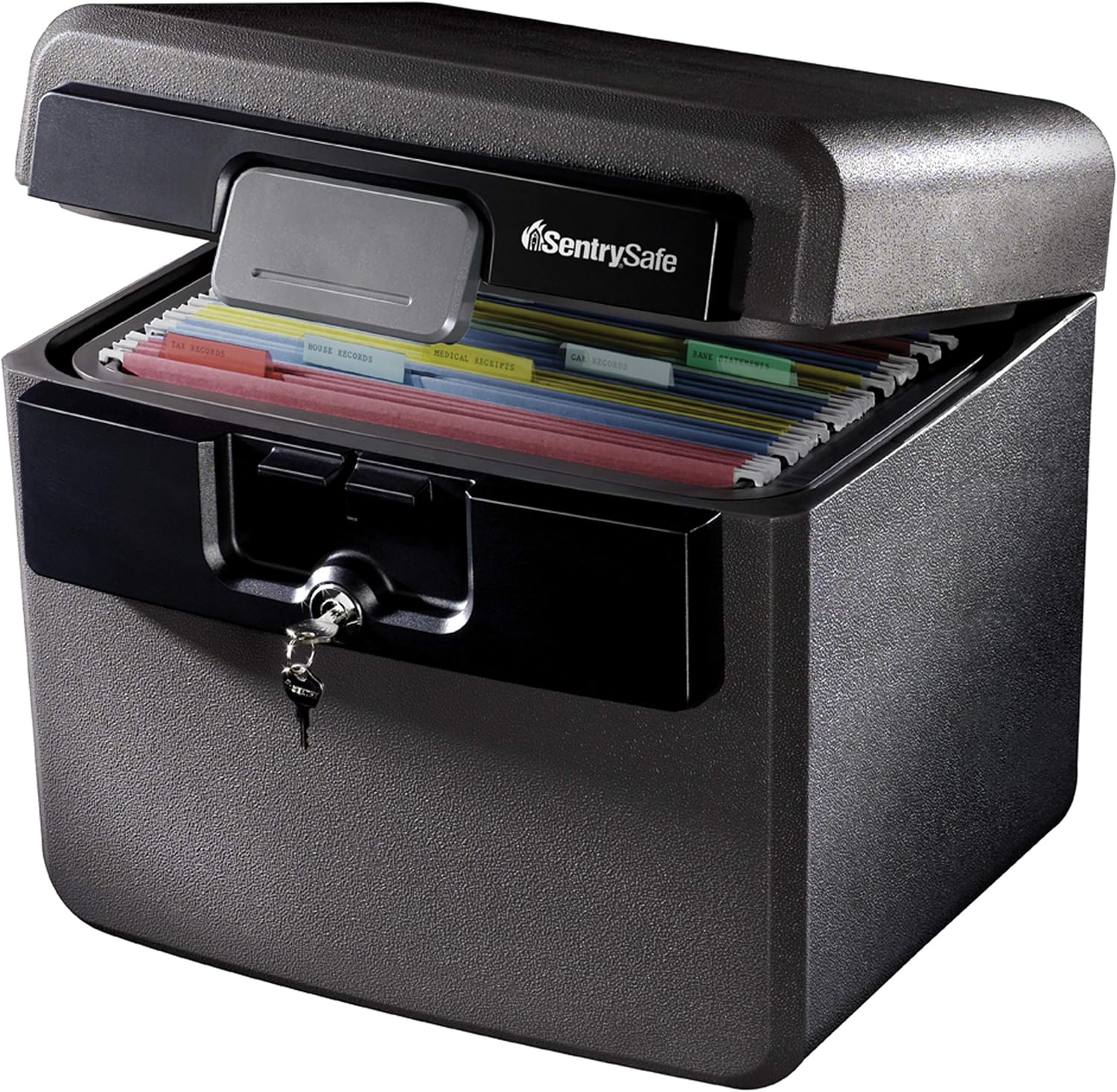
This is the one I recommend for the NOK box. The next-of-kin box. The paperwork that your family needs when you’re gone. At 39 pounds, it’s heavy enough to feel secure, and it’s got a fire rating of 30 minutes at 1550 degrees Fahrenheit. That’s not a promise, but it’s better than nothing.
The lock is a key lock, and the key bends if you push on it the wrong way. I’ve seen it. The battery door for the electronic model falls off inside the safe, which is a design failure. Tape it shut before you need it.
But the real story is the fire survivor. One buyer, J.D., wrote on March 14 that he lost his house in a total-loss fire. The firefighters brought this safe out. It still opened. The keypad worked. Four handguns, ammo, and paperwork came out intact. "I can't recommend this safe enough now," he wrote. That carries weight. I’ve seen what fire does to steel, and this safe beat the odds.
At ~$56.99, it costs about four cents a day over five years. That’s cheap insurance for a passport and a spare key.
The SentrySafe 1170
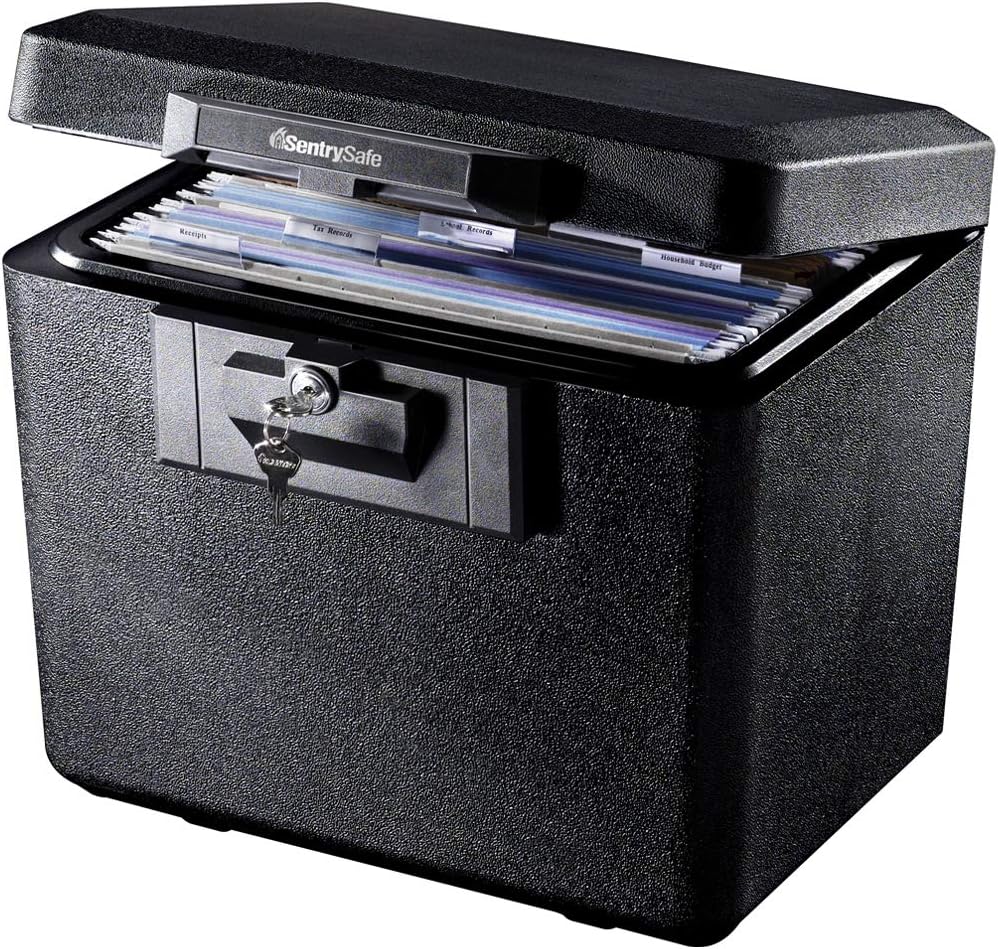
This is the budget fire safe. It’s lighter, about 20 pounds, and the fire rating is 30 minutes at 1550 degrees. The lock is a simple key lock, and it’s not reinforced. I’ve picked it in under a minute. But for the price, it’s a decent security box for a dorm room or an office.
The problem is the size. It’s 4-5/8 inches tall, which is too tall for most kitchen drawers. Measure first. The gasket also falls off after a few months. I’ve glued it back twice. It’s a workaround, not a fix.
What Else to Consider
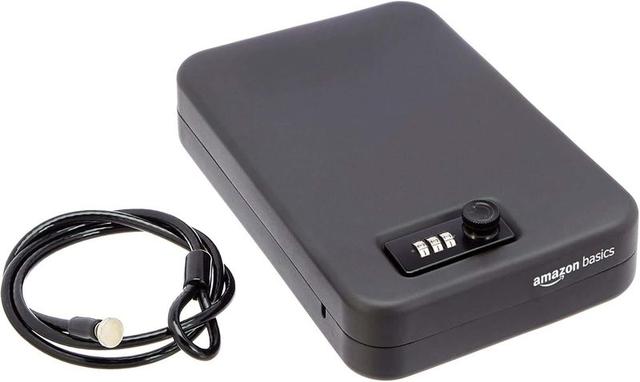
The Amazon Basics Drawer Safe is the budget pick. It’s light, about 10 pounds, and the lock is a basic electronic keypad. The battery door falls off inside the safe, and the backup key is stored inside, which means you’re locked out if the batteries die. Tape the door, move the key.
The SentrySafe QAP1E is the storage king. It’s a large chest with a fire rating, but at 120 pounds, it’s a pain to move. You’ll need a dolly, and you’ll want to anchor it to the floor. The lock is a combination dial, which is better than a key, but the dial is stiff.
The Stack-On Wall Safe is the hidden pick. It fits between wall studs, which means it’s out of sight. But the steel is thin, about 14 gauge, and a crowbar will open it in under a minute. It’s for prying eyes, not determined thieves.
The Customer Service Factor isn’t a product, it’s a warning. I’ve seen SentrySafe replace parts and answer phones. I’ve also seen companies ghost you when the gasket falls off. A safe is a long-term purchase. You want a company that’s still there.
Should You Buy the Diversion Book Safe?
If you need to hide a passport and a few hundred bucks from a curious roommate or a guest, yes. It’s the best overall for the money, and it does the job. But don’t expect it to survive a determined thief with a crowbar. It’s a disguise, not a vault. Sink it into a bookshelf and don’t tell anyone it’s there.
Should You Buy the SentrySafe File Box?
If you’re building a NOK box for your family, yes. It’s the one I’d trust with a birth certificate and a marriage license. The fire rating is real, and the fire survivor story is enough to convince me. But the key bends, and the battery door falls off. Tape the door, get a spare key, and don’t store the backup inside the safe. That’s how you end up calling a locksmith.