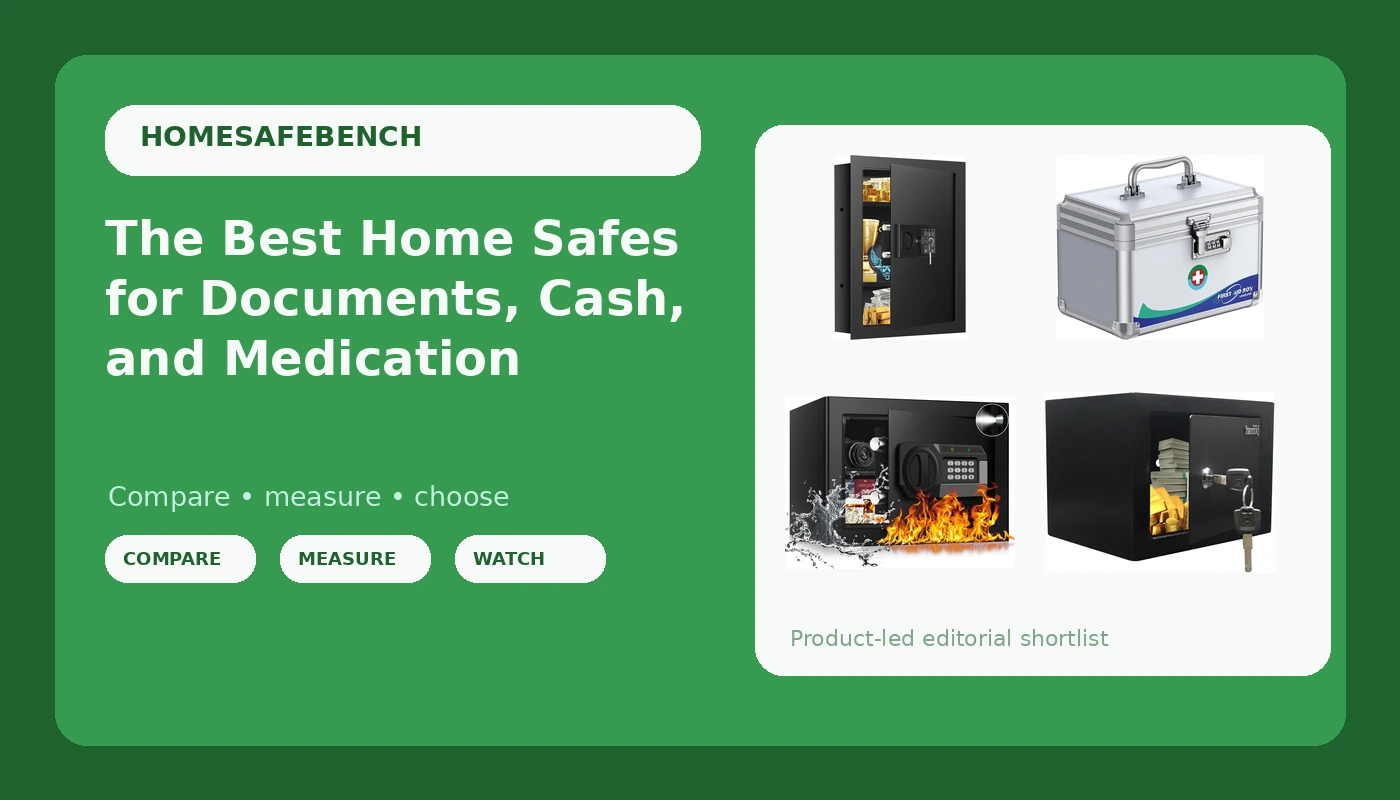
Most people shopping for the best home safes are not defending against a crew with cutting tools and unlimited time. They are defending against a break-in that lasts four minutes, a kitchen fire that starts while they are at work, and their own habit of leaving a passport in a desk drawer. That changes the shopping list. A safe that is anchored to something solid, opened by a lock that still works when the power is out, and rated for fire in writing will beat a heavier box with a prettier brochure every time.
I have spent 25 years as a locksmith in Boise, and I have opened a lot of consumer safes, including a few that owners swore were impenetrable. This guide covers six products doing six different jobs: a wall safe built for standard framing, a shelf-top keypad box, a large biometric office safe, a medication lock box, a small steel key box, and a portable locking bag. The right answer depends on what you are protecting and who needs to get in, not on which unit is biggest.
Related: How to Anchor a Home Safe So It Stays Put
Quick answer
The 25.6" Tall Fireproof Wall Safes Between Studs 16" Centers with Combo Lock is the strongest fit for documents and valuables kept at home because a combination lock has no battery to die and a between-the-studs safe lives inside the wall instead of on a shelf where someone can walk off with it. Choose the 1.2 Cubic Feet Small Fire Safe Box for Home, Fireproof Lock Box, Security Money Safe with Digital Keypad, Spare Keys and Removable Shelf, Personal Home Safes for Money, Jewelry, ID Documents instead when you want a keypad, spare keys, and a removable shelf in a unit that sits on a shelf.
Home safes worth comparing
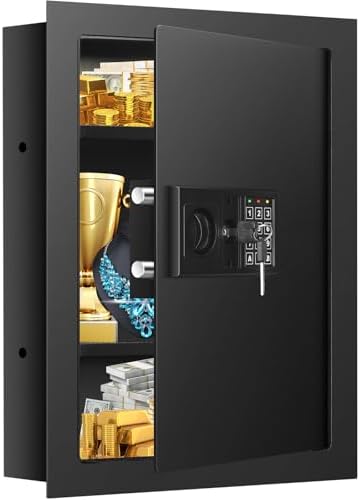
25.6" Tall Fireproof Wall Safes Between Studs 16" Centers with Combo Lock
A 25.6 inch tall fireproof wall safe sized for 16 inch stud centers, with a combination lock instead of a keypad.
Visit on Amazon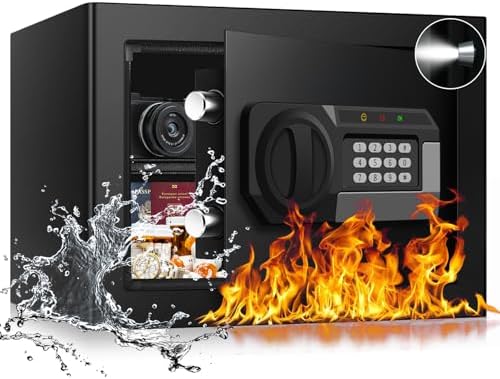
1.2 Cubic Feet Small Fire Safe Box for Home, Fireproof Lock Box, Security Money Safe with Digital Keypad, Spare Keys and Removable Shelf, Personal Home Safes for Money, Jewelry, ID Documents
A 1.2 cubic foot fireproof safe box with a digital keypad, spare keys, and a removable shelf, described for money, jewelry, and ID documents.
Visit on Amazon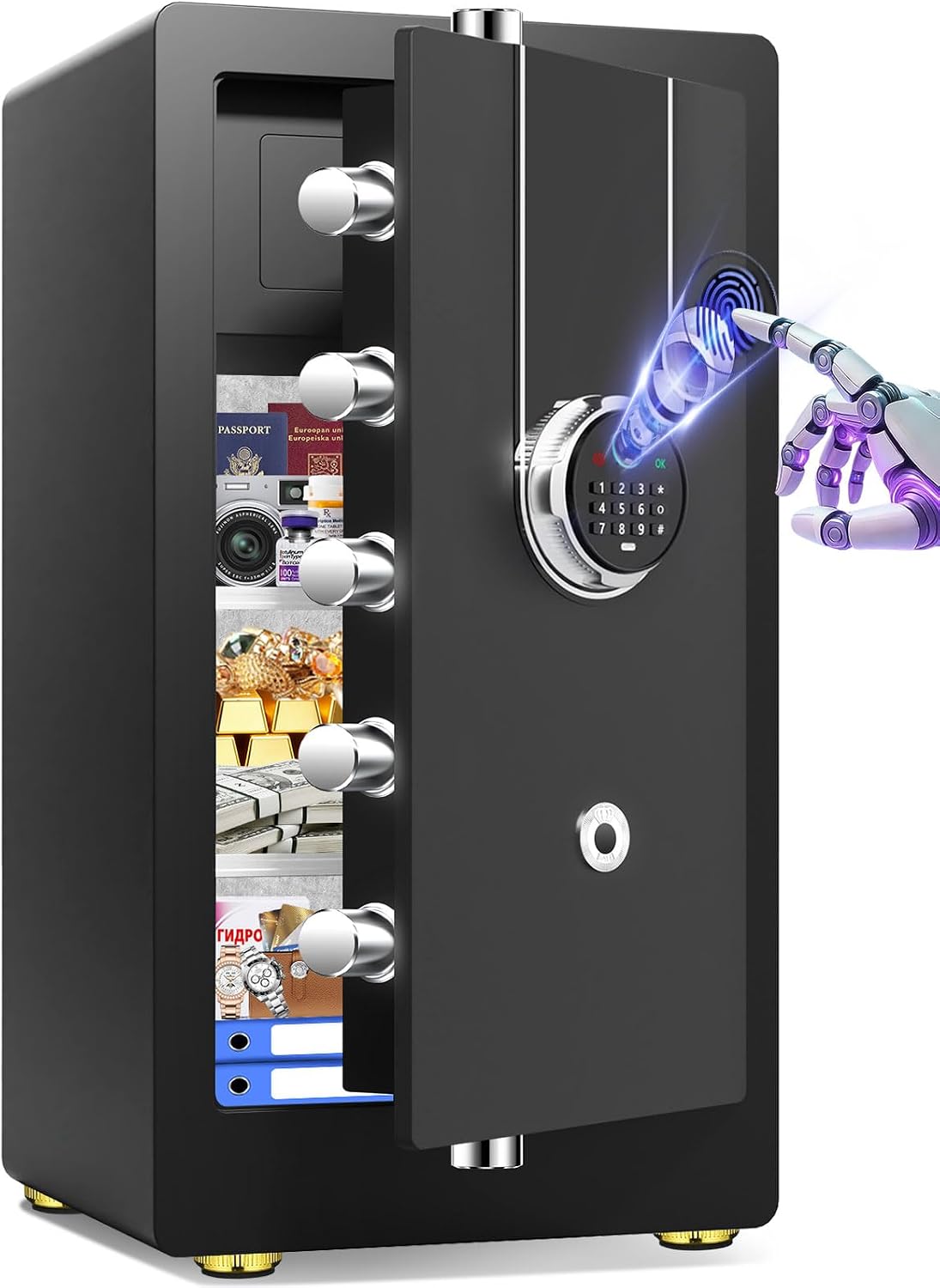
8.2 Cu Ft Fireproof Biometric Safe for Home Office
An 8.2 cubic foot fireproof biometric safe aimed at home office use, for households that need to store a larger volume of items.
Visit on Amazon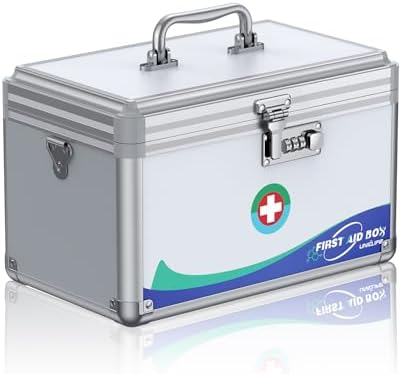
Uniclife Medicine Lock Box,10x6x6.5 in, Medication Lock Box With Code
A 10 by 6 by 6.5 inch medication lock box with a code lock, sized for medicine rather than for cash or documents.
Visit on Amazon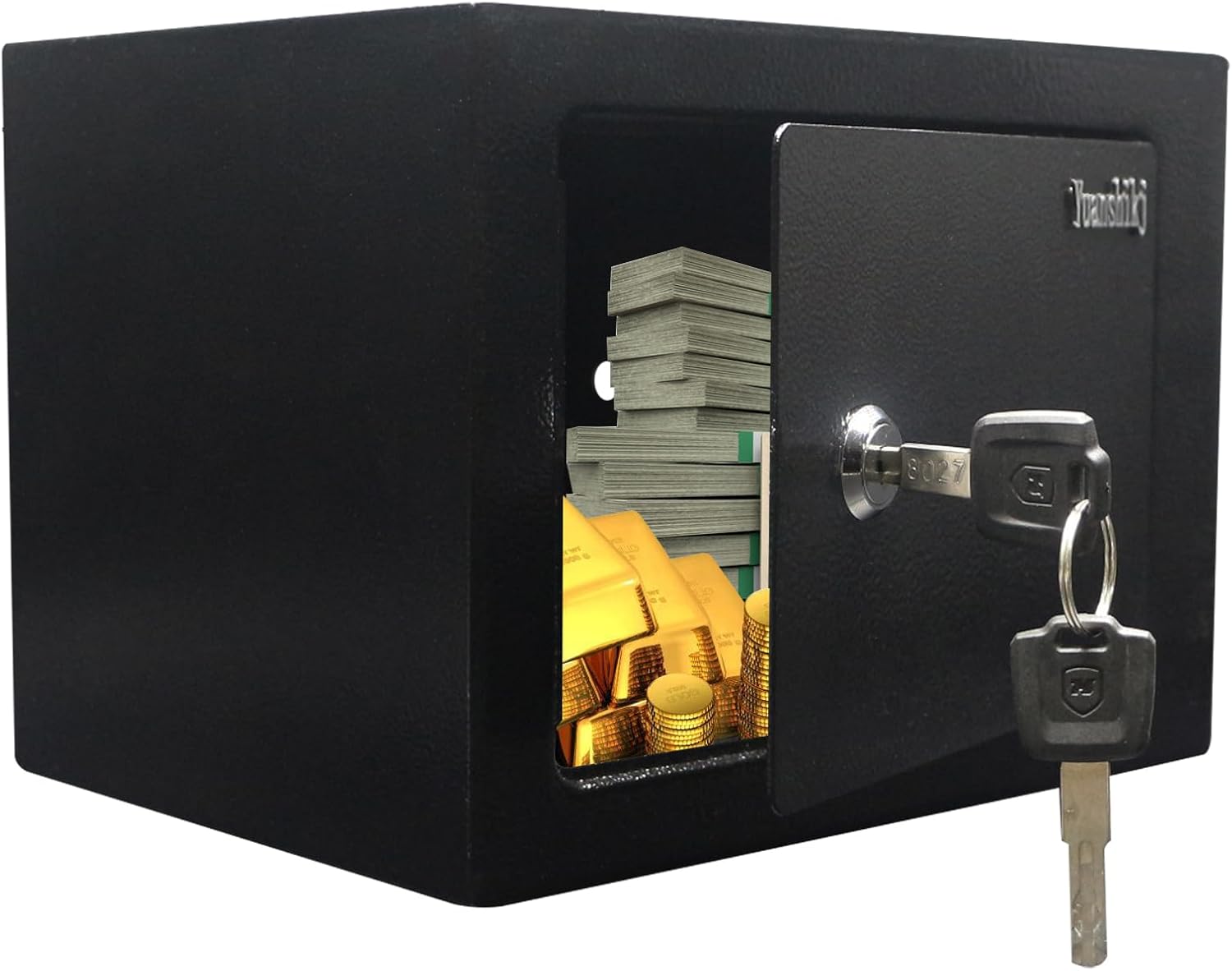
Yuanshikj Steel Small Safe Lock Box with Key Security, 0.23 Cu Ft, Black
A 0.23 cubic foot steel lock box with key security in black, built for a small footprint and a short list of small items.
Visit on Amazon
KOSMCCO Beach Locking Bag, Portable Safe, Blue, 9x7.5 Inch
A blue portable locking bag measuring 9 by 7.5 inches, meant for carrying a few valuables rather than anchoring them at home.
Visit on AmazonPrices and availability may change. Check the retailer for current details.
How these products were compared
This guide compares lock type and how access is granted, the fire protection each product is described as offering, usable capacity and physical footprint, mounting and placement options, and how much maintenance each unit asks of its owner. Product names, images, and retailer links are matched by ASIN so that every card points to the product shown.
One thing to be clear about up front: the comparisons here are built from published product details and listing specifications, not from laboratory testing of these specific units. Where a manufacturer states a fire rating, that claim belongs to the manufacturer. Treat it as a starting point and read the paperwork that ships inside the box. Nothing in this guide is a claim that any of these products is burglar-proof. Nothing is burglar-proof, and any listing that says otherwise is selling you a feeling.
How to choose the right home safe
Start with the lock, because the lock is the safe. A steel box with a weak lock is a suggestion with a handle on it. The products here cover four access methods, and each one fails in a different way. A mechanical combination lock, like the one on the wall safe in this roundup, has no battery and no electronics to fry, which makes it the most reliable option across a decade of sitting in a wall. A digital keypad, like the one on the 1.2 cubic foot safe box, is faster to open and easier to change, and it usually ships with spare keys as a backup, but it depends on power and it depends on you remembering to maintain it. A key lock, like the one on the Yuanshikj steel box, is simple and cheap, and its weakness is obvious: lose the key, and you are calling someone like me. A biometric reader, like the one on the 8.2 cubic foot office safe, is quick for the person enrolled in it and inconvenient for everyone else, and it introduces a battery as a single point of failure. If the safe holds documents you might need during a power outage, favor the mechanical lock.
Second, treat fire protection as a measured claim rather than a mood. Fire ratings describe minutes at a specific temperature, and the difference between a real rating and a marketing word on a box is the difference between readable documents and a brick of fused paper. Read the fine print on the listing and in the manual, and note what the manufacturer says about media, since paper and digital media tolerate heat very differently. Related: Fireproof vs Fire-Resistant: What the Label Actually Means. If the manufacturer does not publish a rating, assume there is not one.
Third, match the size to the job and the placement to the threat. A between-the-studs wall safe needs a wall cavity framed on 16 inch centers, which is standard residential framing in the United States, and it disappears behind a hinged panel or a picture. That hidden location does more for you than an extra quarter inch of steel, because a thief who cannot find the safe cannot attack it. A shelf-top box is easier to install and easier to steal, which is why bolting it down matters more than the gauge of its door. A large office safe gives you volume but weighs enough that placement becomes a structural question. A medication lock box and a portable locking bag are not competing with any of the above; they solve access control and travel, not burglary.
Finally, think about who else needs to get in. A code that a family member can be given, a key that can be copied for a spouse, a fingerprint that only one person can use: each of those is an access decision as much as a security decision. The best safe in the world is useless if the person who needs the passport cannot open it at 6 a.m. on the way to the airport.
25.6" Tall Fireproof Wall Safes Between Studs 16" Centers with Combo Lock
This is the pick I would put in my own house, and it comes down to three things that are true on paper rather than things I felt in a workshop. It is 25.6 inches tall, it is built for 16 inch stud centers, and it uses a combination lock rather than a keypad. A safe that fits between studs sits inside the structure of the house, which means it is not sitting on a shelf waiting to be carried out under someone's arm. The combination lock means there is no battery to replace, no keypad to wear out, and no spare key hidden in a drawer where a visitor can find it.
The trade-off is real and worth saying plainly. Installing a wall safe means cutting drywall, finding the cavity, and anchoring the unit into framing, which is more work than setting a box on a closet shelf. It also means the safe's capacity is fixed by the wall cavity, so you should measure before you buy rather than after. If you rent, or if you are not comfortable opening up a wall, this is the wrong product for you, and the shelf-top keypad box below is the better fit. But if you own the wall and you want documents protected in a place a smash-and-grab thief will not think to look, this is the shape of the answer.
Alternatives to consider
The 1.2 Cubic Feet Small Fire Safe Box for Home, Fireproof Lock Box, Security Money Safe with Digital Keypad, Spare Keys and Removable Shelf, Personal Home Safes for Money, Jewelry, ID Documents is better suited to renters and to anyone who wants a keypad and a removable shelf without cutting into a wall, while the 8.2 Cu Ft Fireproof Biometric Safe for Home Office is a stronger fit when volume is the problem and a home office needs to hold far more than a folder of documents.
The Uniclife Medicine Lock Box,10x6x6.5 in, Medication Lock Box With Code, the Yuanshikj Steel Small Safe Lock Box with Key Security, 0.23 Cu Ft, Black, and the KOSMCCO Beach Locking Bag, Portable Safe, Blue, 9x7.5 Inch cover jobs that are not burglary defense at all. The medicine lock box is about limiting access to medication in a household with children or visitors, and it is sized for bottles and blister packs rather than for cash. The steel key box is a small keyed container for a short list of items where a lock is the point and capacity is not. The locking bag is a portable option for a beach day or a hotel room, where the threat is someone walking past your towel, not someone with a crowbar.
Day-to-day use and maintenance
Whatever you buy, anchor it. A safe that is not fastened to framing or to a solid surface is a carrying case with a lock on it, and the smaller the safe, the more that is true. Follow the manufacturer's mounting instructions and use hardware rated for the surface you are mounting to, because drywall anchors and structural bolts are not interchangeable.
Keep the door gap clean and the bolt work free of grit. A tight door gap is half of your pry resistance, and a door that does not seat fully because a pen cap is jammed in the frame is a door that opens easily. For keypad and biometric models, follow the manufacturer's guidance on batteries and enrollment, and keep the mechanical key or spare keys somewhere other than the immediate area around the safe. If a unit ships with spare keys, that is a convenience and also a second key to lose track of.
For fire protection, store documents in a sealed bag inside the safe, since the contents of a safe can be damaged by moisture as well as heat, and check the manufacturer's guidance on what the unit is rated to protect. And take the long view on contents: do not store anything irreplaceable that you cannot afford to lose in a consumer safe, because no consumer safe in this price range is designed to defeat a determined, tool-equipped thief. Store the things that would be painful to replace, not the things that would be catastrophic.
Buying checklist
- Measure the wall cavity or shelf clearance before you order, including the depth of the door swing.
- Choose the lock type based on normal use rather than an occasional edge case: mechanical combination for reliability, keypad for speed, key for simplicity, biometric for one-person convenience.
- Confirm that the exact model includes the mounting hardware and spare keys you expect, since bundles vary by listing.
- Read the fire documentation that ships with the safe and note what the manufacturer says it is rated to protect.
- Verify the current retailer price, availability, and return terms before you commit.
Final recommendation
Choose the 25.6" Tall Fireproof Wall Safes Between Studs 16" Centers with Combo Lock when you own the wall, you want documents hidden inside the structure of the house, and you would rather have a lock with no battery in it. Choose the 1.2 Cubic Feet Small Fire Safe Box for Home, Fireproof Lock Box, Security Money Safe with Digital Keypad, Spare Keys and Removable Shelf, Personal Home Safes for Money, Jewelry, ID Documents when you rent, when you want a keypad and a removable shelf, or when cutting drywall is not on your list this year. If your actual problem is medication access or travel rather than break-ins, the smaller boxes and the locking bag here do those jobs honestly, and buying a bigger safe would not solve them any better.